Gmail Job Offer Red Flag: How to Spot Fake Oil & Gas HR Emails
Real oil and gas firms don't use Gmail for HR emails. Spot the red flag and know what to do.
 Ringgit2U
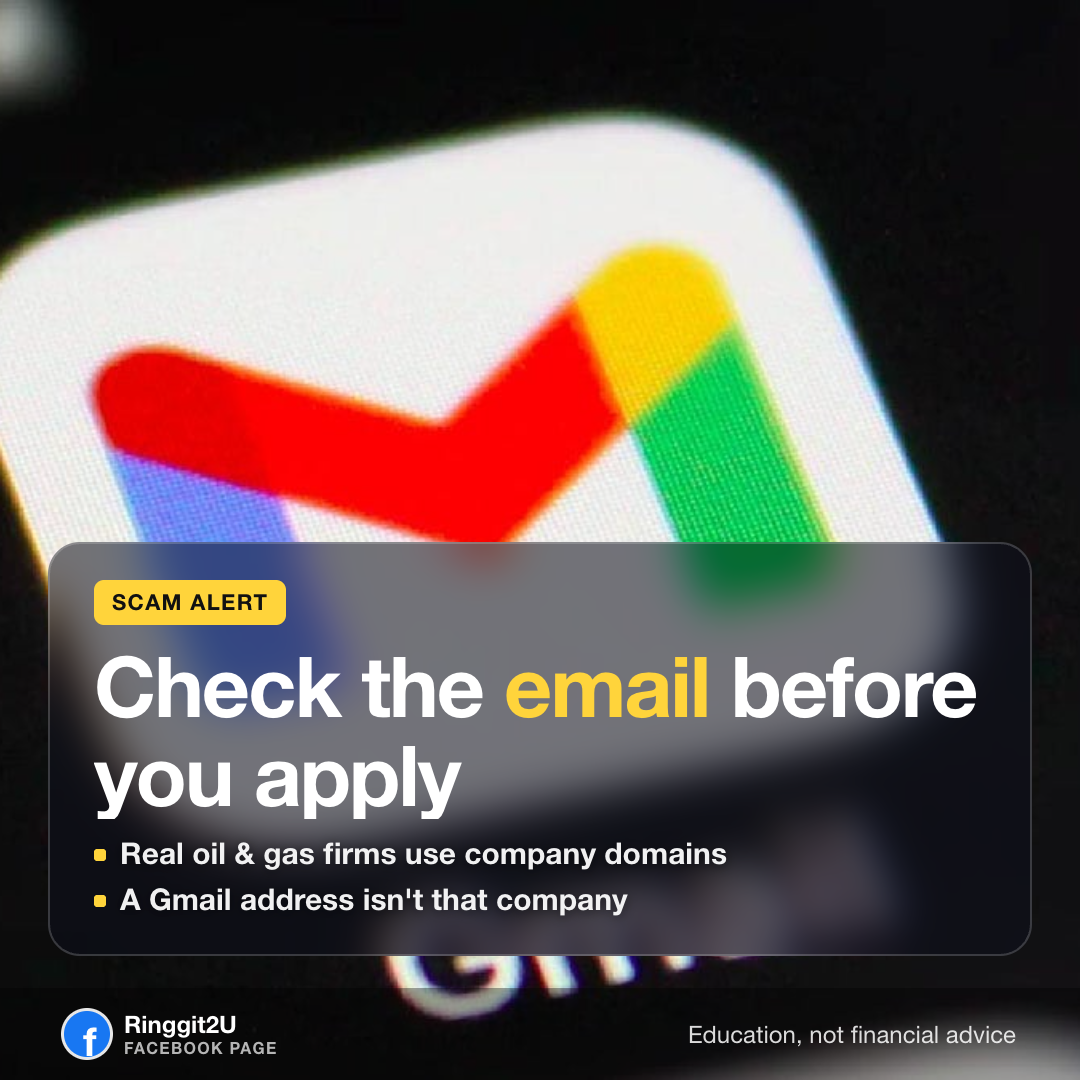
Money, explained Gmail in a job offer is a red flag Focus Malaysia reported on 18 Oct 2026 that real oil and gas companies do not use Gmail for correspondence. 01/06- 02/06Photo: Patrick Tomasso / CC0 1.0
Real companies don't send offers from Gmail Legitimate oil and gas firms do not use Gmail for HR correspondence. The sender's domain is the first thing to check. - 03/06
Spot the difference in one second Legit HR hr@company.com Scam HR hr@gmail.com The sender's email domain is the fastest filter. If it ends in @gmail.com, treat it as unverified. - 04/06
997 NSRC hotline, call immediately One number to call if money left your account The National Scam Response Centre is at 997. Call immediately and contact your bank; the faster the report, the better the chance of freezing the transfer. - 05/06
Sender on Gmail or Yahoo? Company not on its own website? Asks for deposit or bank details?
Three things to check before you reply If an offer looks too good, run these checks first.
Questions people ask
Is a Gmail job offer from an oil and gas company always a scam?
Not always, but Focus Malaysia reported on 18 Oct 2026 that legitimate oil and gas companies do not use Gmail for correspondence. Treat it as unverified until confirmed through the company's official website.
What number do I call if I've sent money to a fake job offer?
Call the National Scam Response Centre at 997 immediately, then contact your bank. The faster the report, the better the chance of freezing the transfer.
Keep reading
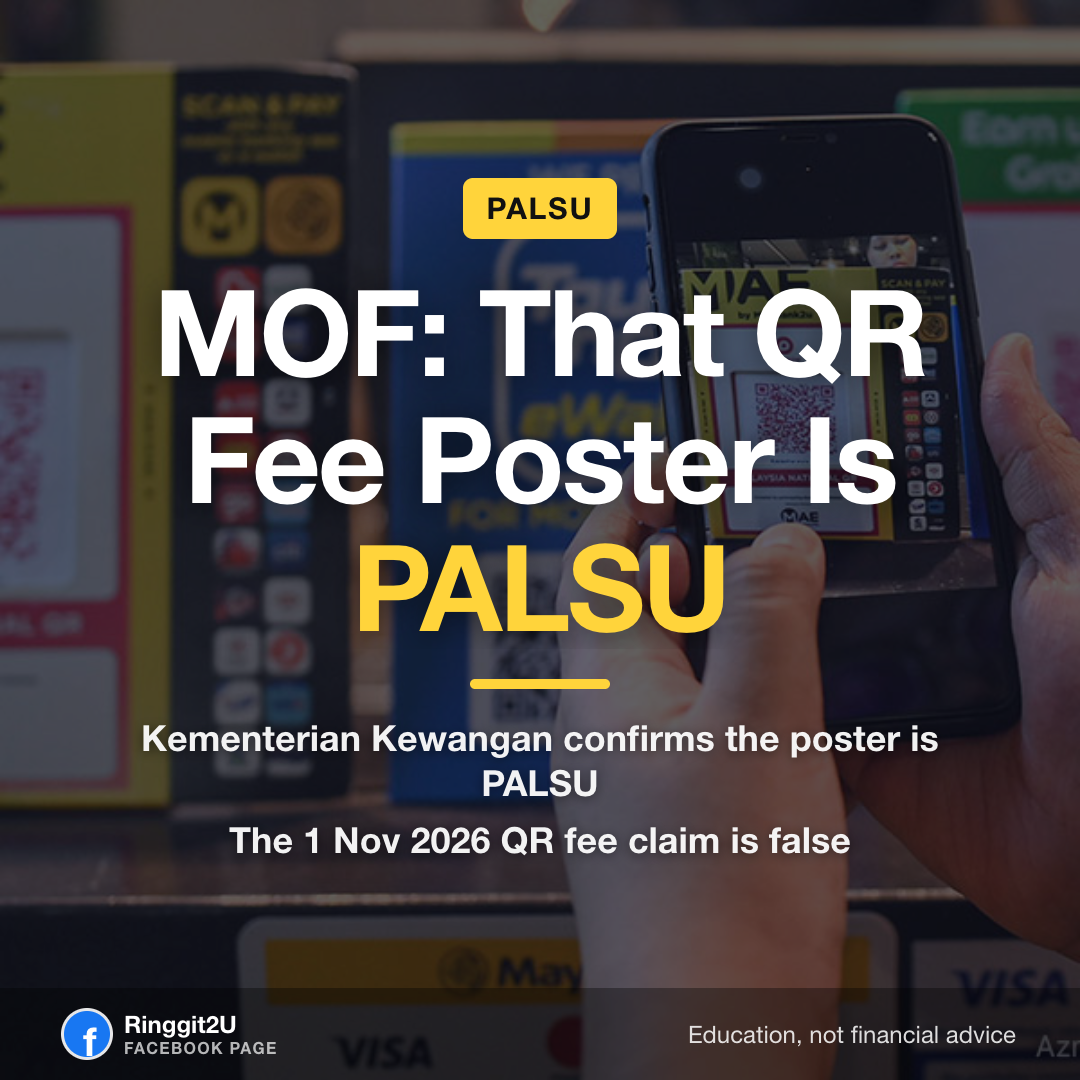
Kementerian Kewangan says viral QR fee claim for 1 Nov 2026 is false
Kementerian Kewangan says a viral poster claiming QR payments will charge from 1 November 2026 is false. The ministry asks Malaysians not to believe or share it.
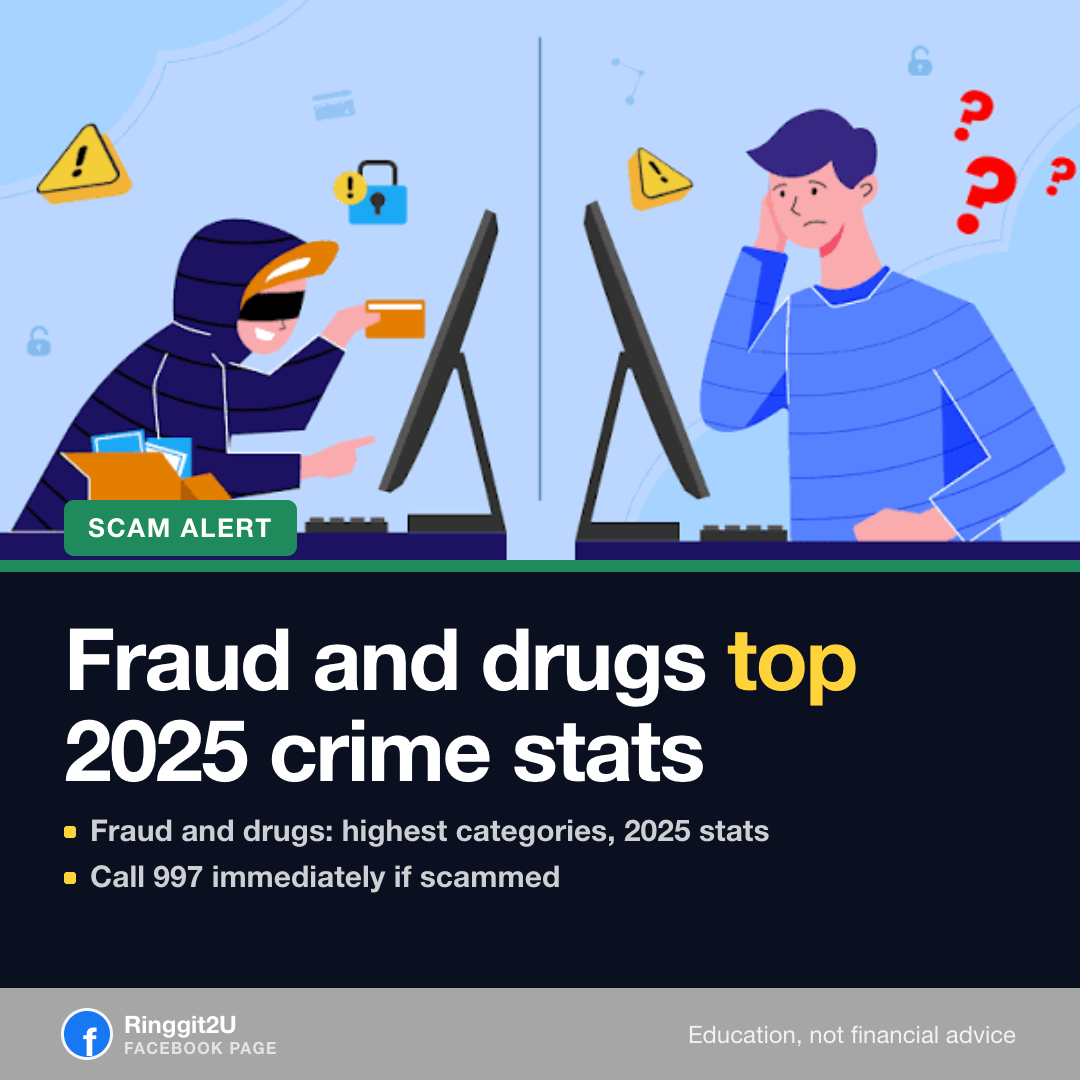
Fraud and Drugs Hit Record Levels in 2025 Malaysia Crime Stats: What to Do in the First Minutes
The 2025 crime statistics report puts fraud and drugs at the highest recorded level. If money leaves your account, call 997 and your bank immediately.
RM327,000 Phone Scam: Malaysian Company Loses Money to Fake Director
A Malaysian company lost RM327,000 after a caller impersonated a director on the phone. Here is how the scam works and what to do if a transfer call comes in. Call 997 fast.