Johor data centres could use 90% of new Peninsular power by 2031
BMI says Johor data centres could absorb more than 90% of new Peninsular electricity by 2031, straining the grid in Sedenak and Nusajaya.
What happened1/5 BMI: Johor data centres will swallow most of Peninsular's new power
A report by BMI (a Fitch Solutions company), published 23 October 2026, projects that Johor's data centre industry could consume more than 90% of the additional electricity generated in Peninsular Malaysia over the next five years.
The bigger issue, BMI says, is not whether enough power can be generated. It is whether the grid can deliver it to the right places fast enough.
The real numbers2/5 The numbers behind the 90% claim
30 TWhJohor data centre demand by 203118% vs 6%share of Peninsular supply, 2031 vs 2026RM43 billionTNB planned grid investmentJohor currently has about 825 MW of operational data centre capacity. Another 3.9 GW is expected over the next three to five years, driven by cloud computing and AI demand.
BMI compared Johor with Sydney, Melbourne and Batam, and flagged Johor as the hub likely to face the tightest supply constraints in the region.
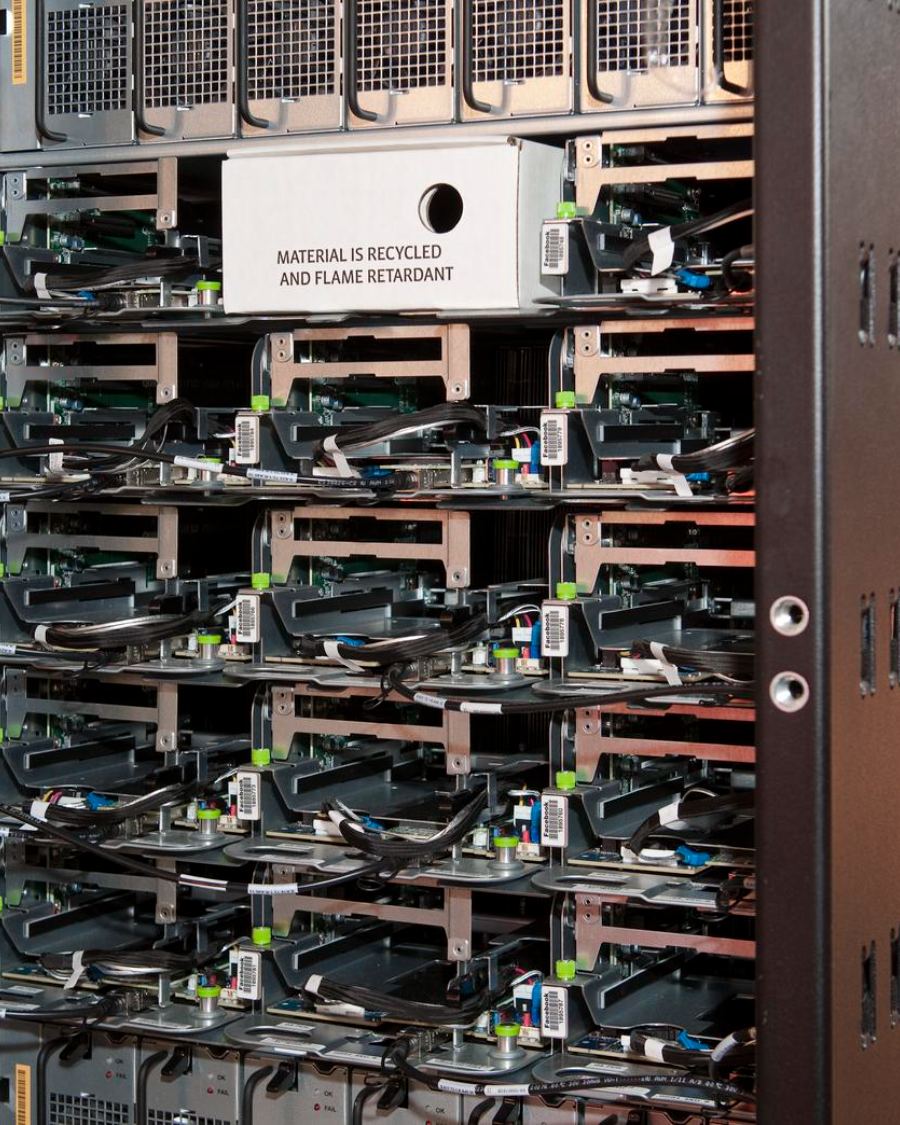
Photo: Photo: Delta Electronics Inc / BY-NC-SA 4.0 Why it matters3/5 The bottleneck is the grid, not the power plants
Peninsular Malaysia's grid is running at an estimated 30% of overall capacity, so the national picture looks fine. But data centre builds are concentrated in Sedenak and Nusajaya, where local infrastructure is becoming strained.
BMI's point: grid infrastructure takes considerably longer to build than a data centre. Major projects typically take five to 10 years. Headline generation capacity can overstate how much power new projects can actually access.
BMI expects Malaysia to lean more on gas-fired generation and may postpone some scheduled power plant closures to keep supply steady.
How it affects your wallet4/5 What this means for your electricity bill
The BMI report as summarised here does not mention a household tariff projection. Check TNB or the Energy Commission for tariff announcements. Under BMI's base case, generation is expected to meet demand.
The risk BMI flags is supply-side: if data centre activity outpaces grid upgrades, local reliability in Johor could tighten. BMI's base case expects generation to meet demand nationally; the constraint it flags is local, in Johor.
What to watch is whether TNB's RM43 billion grid programme keeps pace with the 3.9 GW of new capacity coming online. Delays there, not generation shortfalls, are where the squeeze would show.
30 TWh 01/02Johor data centre demand by 2031 The numbers behind the 90% claim Johor data centre demand by 2031
What to watch5/5 Two dates to keep in mind
Q1 2027: YTL Power International's first 300 MW of its 1.2 GW data centre campus is expected to come online. A separate 300 MW facility in Sedenak (Vantage Data Centers, backed by DigitalBridge) is also in the pipeline.
TNB's RM43 billion grid upgrade programme: major infrastructure projects in this class typically take five to 10 years to complete. BMI expects some data centres without secured grid connections to face delays.
- 02/02
18% vs 6% share of Peninsular supply, 2031 vs 2026 The numbers behind the 90% claim share of Peninsular supply, 2031 vs 2026
Questions people ask
Will this make my electricity bill go up?
BMI's base case says generation will meet demand. The BMI report as summarised here does not mention a tariff change. For tariff updates, check the Energy Commission or TNB. The risk is local supply reliability in Johor if grid upgrades lag behind data centre builds.
Which companies are building data centres in Johor?
YTL Power International (1.2 GW campus, first 300 MW by Q1 2027) and Vantage Data Centers (300 MW in Sedenak, backed by DigitalBridge). Total new capacity expected: 3.9 GW over three to five years.
Source: Malaysiastock.biz
Keep reading

Brent Oil Hits US$113, Highest Since May, After Houthi Strikes
Brent crude hit US$113.17, its highest close since May, after Houthi strikes on Saudi oil infrastructure. What it means for your RON95 price at the pump.

KPDN seizes 15,900kg of subsidised cooking oil being mixed with used oil in Port Klang
KPDN Selangor seized 15,900kg of subsidised 1kg packet cooking oil being blended with used oil in Port Klang. The facts, the numbers and how to report misuse.

iPhone Duo Screen Repair Costs RM4,749: Payroll Impact
Apple's iPhone Duo inner screen repair is priced at RM4,749. For a RM3,000 gross salary, that is almost two months of take-home pay. Full payroll breakdown inside.