Leonids peak Nov 17-18 over Malaysia with moonless pre-dawn sky
Mysa expects up to 15 meteors per hour after 1:30 AM on Nov 18, with the moon setting just as Leo rises over Peninsular Malaysia.

What happened1/6 Leonid meteor shower peaks the night of Nov 17 into Nov 18
The annual Leonid meteor shower reaches its peak on the night of Nov 17 into the pre-dawn hours of Nov 18, 2026. The Malaysian Space Agency (Mysa) expects up to 15 meteors per hour under dark-sky conditions.
The shower is active from Nov 6 to Nov 30, but the peak window gives the best odds. The constellation Leo, from which the meteors appear to radiate, rises in the east-northeast around 1:00 AM in Malaysia.
The real numbers2/6 The numbers behind this year's Leonid display
15 per hourexpected meteors under dark skies71 km/sentry speed, fastest major shower1:23 AMmoonset, Peninsular MalaysiaThe Zenithal Hourly Rate sits at 10 to 15, per Mysa. Leonid meteoroids hit the atmosphere at roughly 71 km/s, about 260,000 km/h, making them the fastest of all major annual showers.
Their parent body, Comet 55P/Tempel-Tuttle, orbits the Sun once every 33 years.
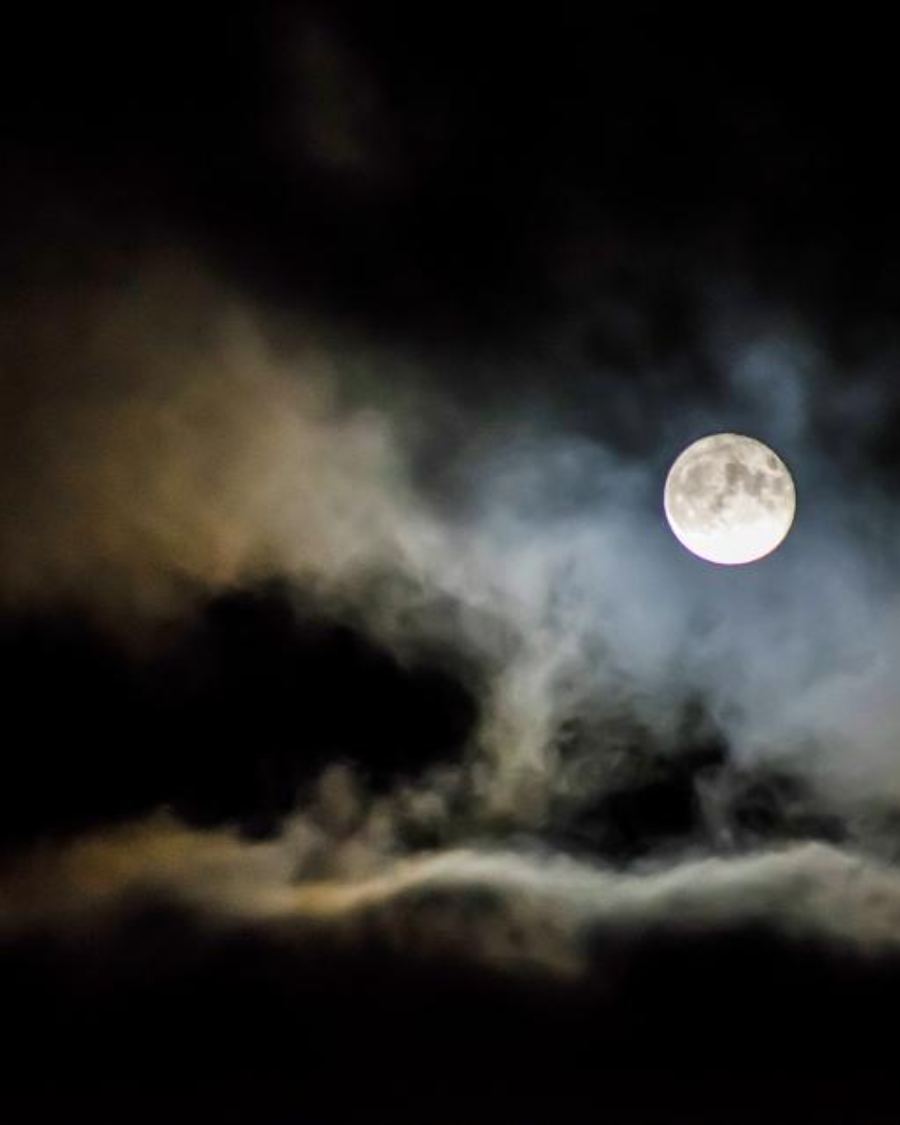
Photo: Photo: Joonas kääriäinen / CC0 1.0 How it works3/6 Why Leonid meteors are the fastest streaks in the sky
Every November, Earth ploughs through a stream of debris shed by Comet 55P/Tempel-Tuttle. Because our planet meets the debris almost head-on, the particles slam into the upper atmosphere at roughly 71 km/s.
That speed is why Leonids often leave bright fireballs and glowing ionized trails that linger for seconds after the streak itself vanishes. The comet completes one orbit every 33 years, which is why major storms are rare and spaced decades apart.
Why it matters4/6 Moonset at 1:23 AM clears four hours of dark sky
On Nov 17, a waxing gibbous moon at roughly 55-60% illumination hangs in the early night sky before dipping below the horizon at approximately 1:23 AM on Nov 18 in Peninsular Malaysia.
Leo rises in the east-northeast around 1:00 AM, lining up almost to the minute with moonset. That overlap leaves the window from 1:30 AM to 5:30 AM completely free of moonlight, the best four hours for catching fainter streaks.
- 01/01
15 per hour expected meteors under dark skies The numbers behind this year's Leonid display expected meteors under dark skies
What to do, step by step5/6 How to watch the Leonids from Malaysia, no gear needed
- Pick a dark-sky spot away from city glare: Kuala Kubu Bharu, Sekinchan, Mersing, Cameron Highlands or Kudat.
- Set your alarm for 1:30 AM on Nov 18. The best window runs until 5:30 AM, after the moon has set.
- Lie back on a groundsheet or reclining chair and face the east-northeast, where Leo rises. Look broadly across the sky, not just at one point.
- Give your eyes 20 to 30 minutes to adjust to the dark. Put your phone away; one screen-flash resets night vision.
- No telescope or binoculars needed. Optical gear narrows your field of view and makes fast-moving meteors harder to catch.
What to watch6/6 Northeast Monsoon may cloud east coast skies; no storm until the 2030s
November falls within Malaysia's Northeast Monsoon (Monsun Timur Laut), bringing heavier cloud cover and rain to Kelantan, Terengganu and Pahang. West coast and inland elevated areas stand a better chance of clear skies.
Astronomers do not expect another major Leonid storm until Comet 55P/Tempel-Tuttle next returns to the inner solar system in the early 2030s. The last comparable outburst was in 1966, when skywatchers over the southwestern United States saw thousands of meteors per minute.
Questions people ask
What time should I go outside to watch the Leonid meteor shower in Malaysia?
Between 1:30 AM and 5:30 AM on Nov 18, 2026. The moon sets around 1:23 AM in Peninsular Malaysia, leaving those hours moonless and dark.
Do I need a telescope or binoculars for the Leonids?
No. Meteors move too fast and cover too wide an area of sky for optical gear. Lie back and use your naked eyes.
Which Malaysian states have the best viewing conditions in November?
West coast and inland elevated spots like Cameron Highlands, Kuala Kubu Bharu and Sekinchan tend to be clearer. East coast states such as Kelantan, Terengganu and Pahang face heavier Northeast Monsoon rain and cloud.