AI voice clones use your family's social media audio for fake emergency scams
A short clip of your child's voice on TikTok may be enough for a scammer to call you in a fake emergency and get you to transfer money.

What happened1/4 UPM professor warns AI can clone a voice from a short social media clip
Prof Dr Zuriati Ahmad Zukarnain, a network and cybersecurity professor at Universiti Putra Malaysia, told Astro Awani on 24 October 2026 that AI voice-cloning tools can now replicate a person's tone, pronunciation and intonation from short audio samples.
The cloned voice can say entirely new words, not just repeat what was recorded. Scammers use it to impersonate a child, a spouse or another family member in a phone call that sounds like a genuine emergency.
Why it matters2/4 Where scammers get the voice sample and how the trick works
Prof Zuriati listed the sources: TikTok, Facebook, Instagram, YouTube, voice messages and any open recording. A short clip may be enough, depending on the technique used.
The technology does not just play back a recording. It builds a model of the voice and generates new sentences in that person's tone. The result is convincing enough that a parent hears their own child's voice asking for help.
The second weapon is emotion. As Prof Zuriati put it, victims believe the call not because they lack common sense, but because the criminal targets the instinct to help a loved one in distress. The panic window is where the money transfer happens, before anyone thinks to verify.

Photo: Photo: CC0 via Openverse How it affects your wallet3/4 The money leaves before you think
The call usually follows one script: a family member is in trouble and needs money sent immediately, and the urgency is engineered so you skip the one step that saves you.
e.g. A parent hears what sounds like their child's voice saying they were detained and need money transferred within the hour. The transfer goes out. The voice was a short clip from a social media post.
What to do, step by step4/4 Two moves before you transfer anything
- Hang up. Do not transfer, do not share an OTP, do not give your card number. A real family member will understand you are calling back to confirm.
- Call the person back on the number you already have. If they are not in trouble, you just dodged a scam.
- If money has already been sent: call the National Scam Response Centre at 997 and your bank immediately. The faster the report, the better the chance of freezing the transfer.
Source: Bank Negara MalaysiaAstro Awani
Keep reading
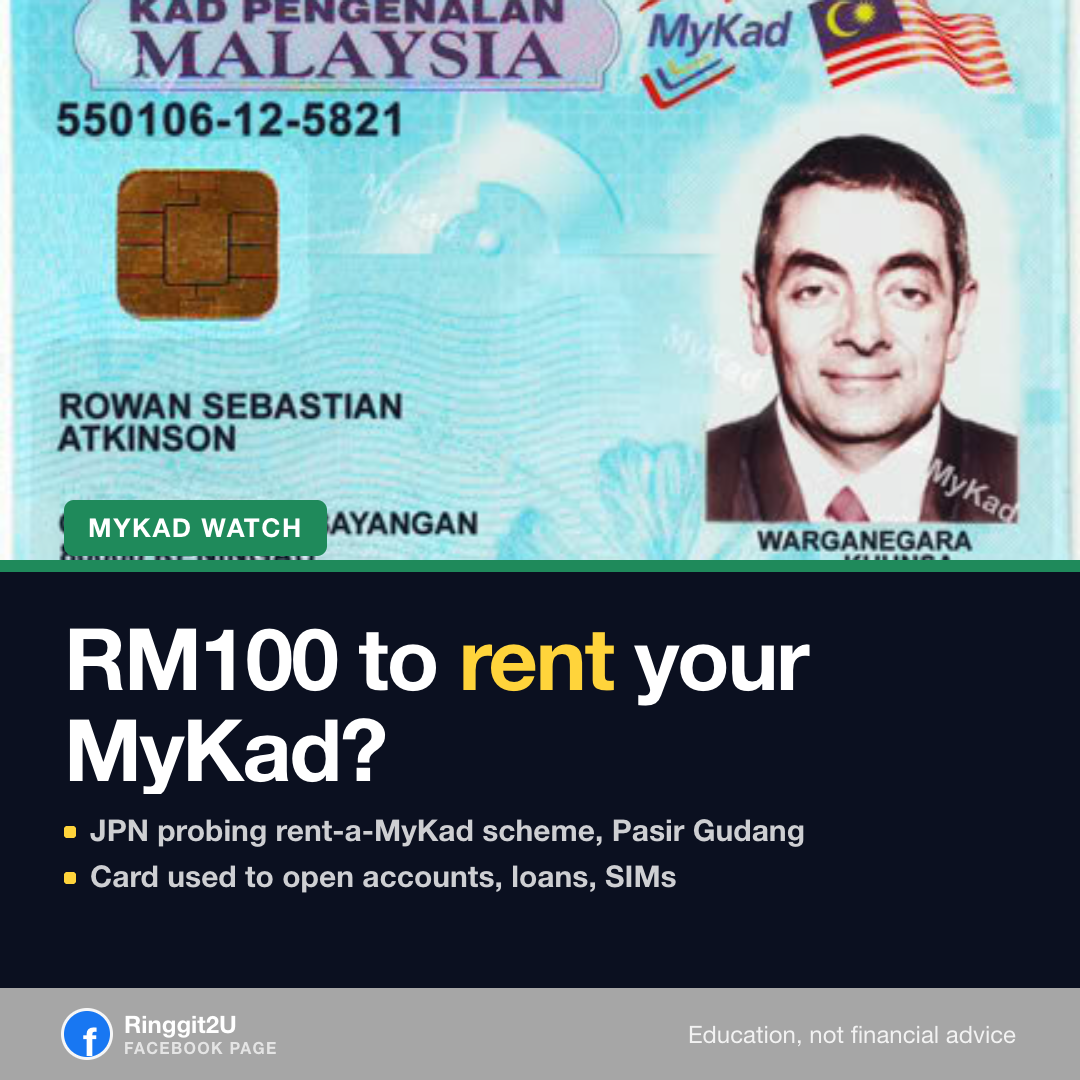
JPN probes rent-a-MyKad scheme after 36 Pasir Gudang arrests
36 workers arrested in Pasir Gudang as JPN probes Malaysians renting MyKad to foreigners for RM100. Penalties: up to 3 years jail, RM20,000 fine.
Gmail Job Offer Red Flag: How to Spot Fake Oil & Gas HR Emails
Focus Malaysia says real oil and gas companies don't use Gmail for job offers. Here's how to spot a fake HR email and what to do if money has already gone.
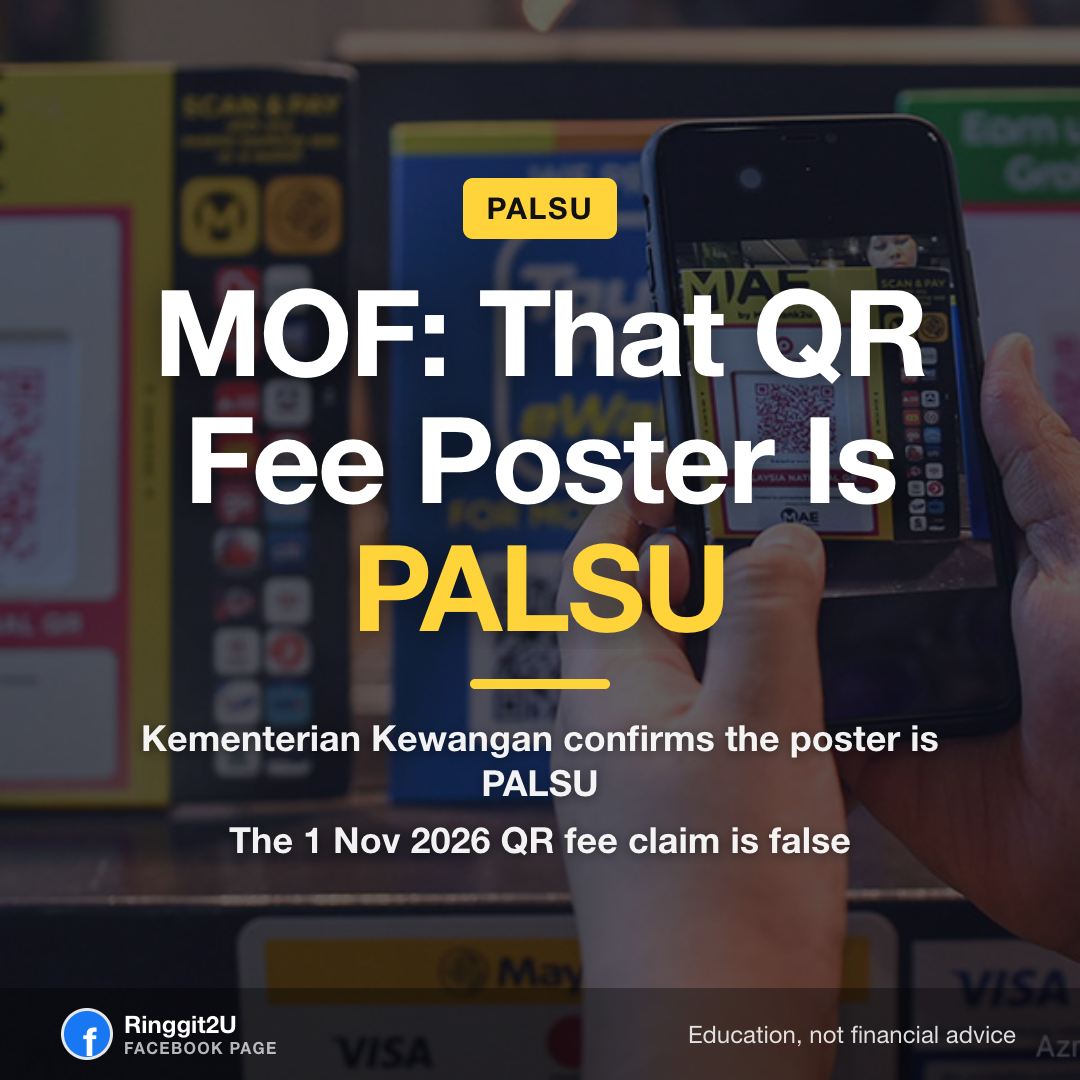
Kementerian Kewangan says viral QR fee claim for 1 Nov 2026 is false
Kementerian Kewangan says a viral poster claiming QR payments will charge from 1 November 2026 is false. The ministry asks Malaysians not to believe or share it.