Fuel Prices Cut: RON97 and Diesel Drop from 15 October 2026
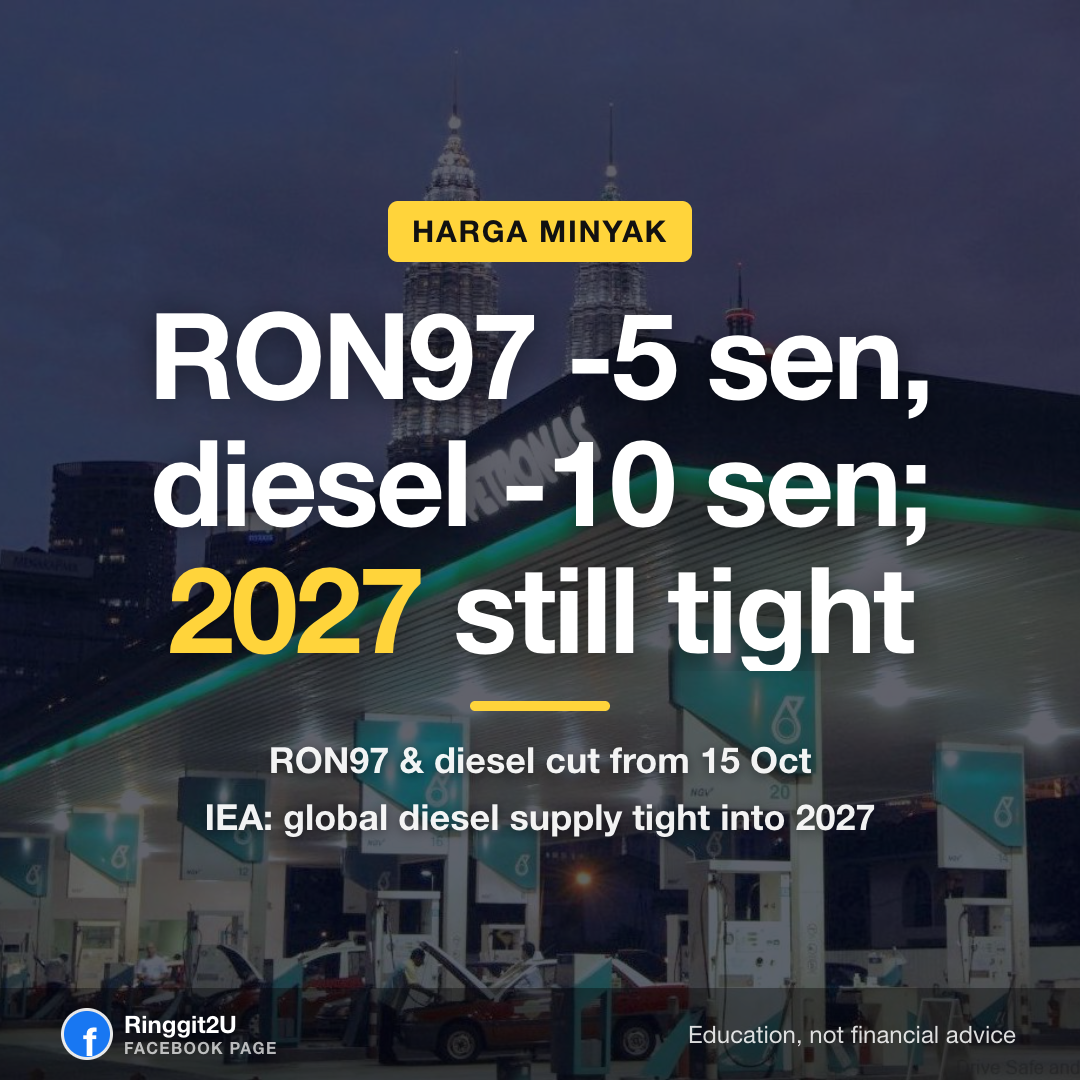
Fuel prices fall at the pump from 15 October: RON97 down 5 sen, diesel down 10 sen, confirmed by MOF.
 01/06
01/06Fuel prices cut from 15 October
Photo: CC0 via OpenverseMOF confirmed RON97 and unsubsidised RON95 drop 5 sen; diesel drops 10 sen at every pump. - 02/06
Two different cuts at the pump -5 sen/litre RON97 & unsubsidised RON95 -10 sen/litre Diesel The diesel cut is double the petrol cut, both effective the same day. 10 sen 03/06diesel price cut per litre Diesel takes the bigger hit Hauliers and diesel-fuelled vehicles save the most per litre on 15 October.  04/06Photo: CC0 via Openverse
But global diesel supply stays tight IEA says global diesel supply constraints persist into 2027 amid prolonged Gulf disruptions. - 05/06
Swipe →Who pays what from 15 October BUDI95-eligible: RON95 stays RM1.99 Non-eligible RON95: new lower unsubsidised price RON97: down 5 sen for all buyers Diesel: down 10 sen for all buyers
BUDI95-eligible citizens keep the RM1.99 RON95 price within their monthly quota.
Questions people ask
Does BUDI95-eligible RON95 price change on 15 October?
No. Eligible citizens continue paying RM1.99 per litre within their monthly quota. The 5-sen cut applies to the unsubsidised RON95 price that non-eligible buyers pay.
When exactly do the new fuel prices apply?
From 15 October 2026 at all fuel stations. MOF confirmed the cut ahead of the 15 October effective date.
What does IEA say about diesel supply?
Global diesel supply constraints are expected to persist into 2027 amid prolonged disruptions and escalation in the Gulf, the IEA reported on 14 October.
Keep reading

Houthi Strait Blockade Pushes Oil Past US$100
Brent crude hits US$106.65 as Houthi forces block key shipping routes. Learn how this affects Malaysian shipping costs and imported goods prices.
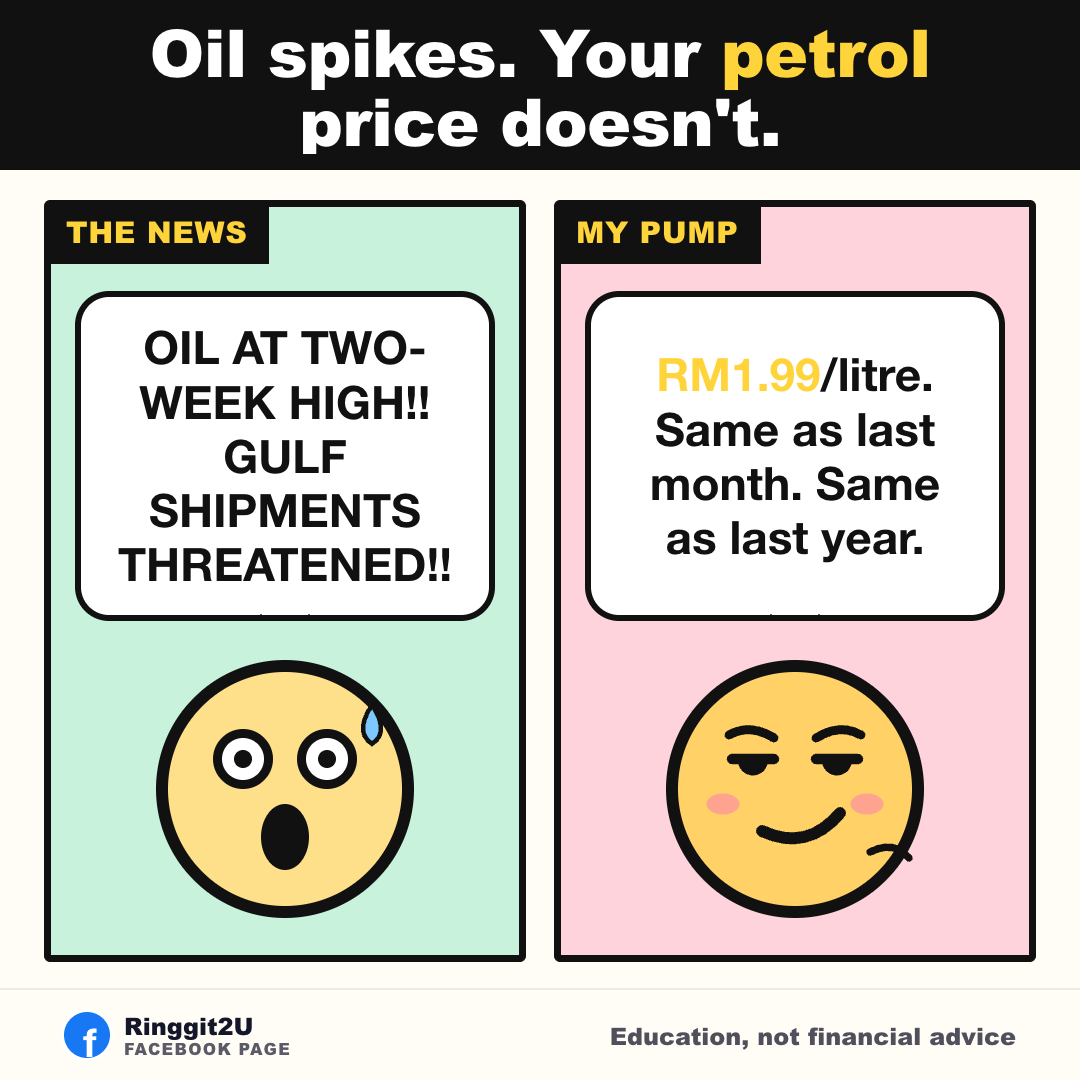
RM40B Oil Spike: Why Your RON95 Stays at RM1.99
Oil above US$100 keeps Malaysia's fuel subsidy at ~RM40B. BUDI95 locks your RON95 at RM1.99 within quota. What to check before your next fill-up.
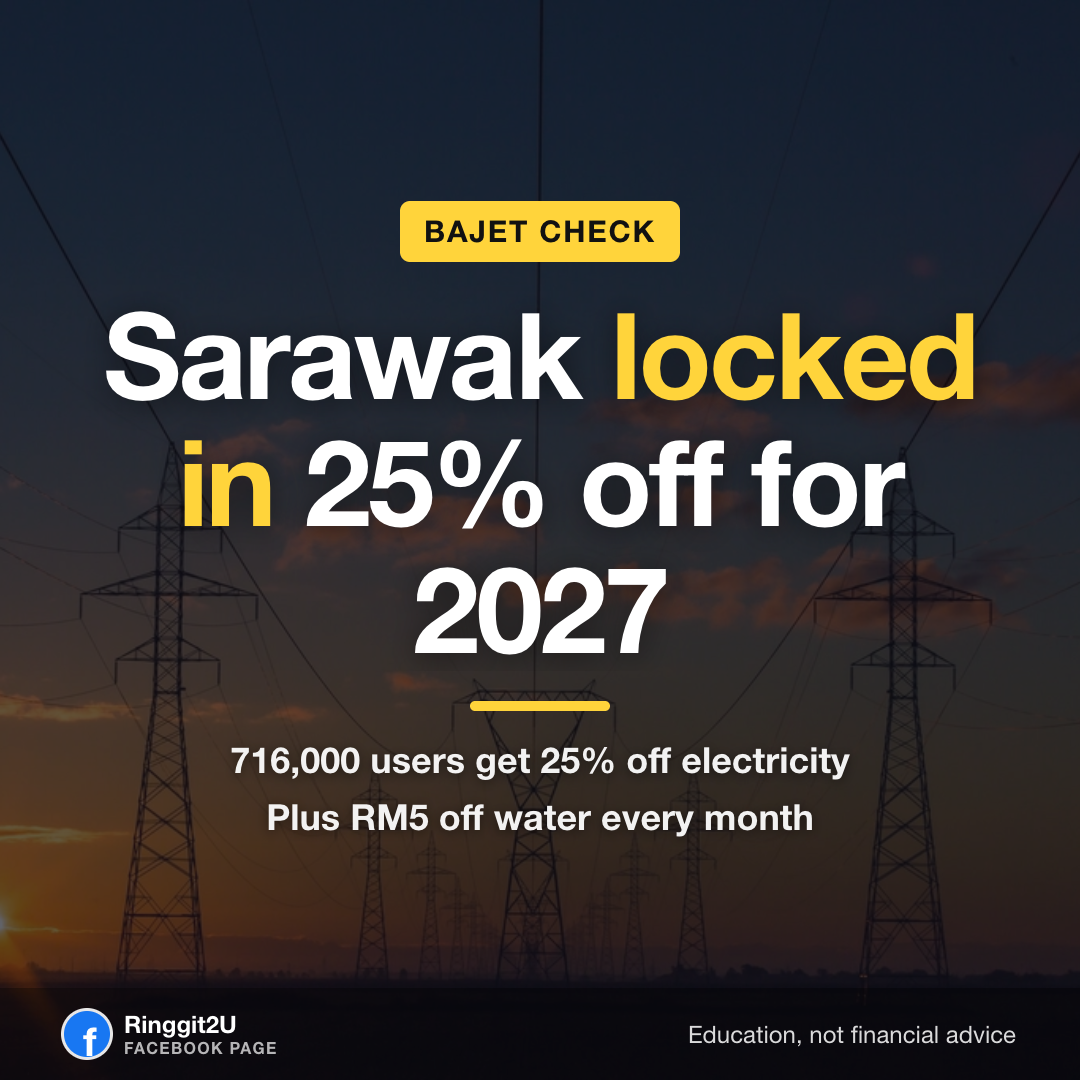
Sarawak Electricity Discount 2027: 25% Off Confirmed for 716,000 Users
Sarawak confirmed its 25% electricity bill discount and RM5 water subsidy for 2027. Here is what 716,000 users save and how to verify it on your bill.