MSCI Threatens to Drop Indonesia from Emerging Markets After $65B Rout
MSCI is considering dropping Indonesia to standalone market after $65 billion vanished in a single trading session.

 01/12Photo: Carol M Highsmith / CC0 1.0
MSCI considers dropping Indonesia to standalone market After an 11.6% one-day crash on 16 October wiped $65 billion in market value, MSCI is weighing reclassification. - 02/12
What does MSCI standalone status actually mean? Standalone markets are excluded from MSCI's emerging and frontier indexes. Funds that track those indexes would have to sell their Indonesian holdings. - 03/12
market value lost on 16 October $65 billion $65 billion gone in one session Indonesia's benchmark index fell 11.6% on 16 October, the biggest one-day drop since the 1998 Asian financial crisis. - 04/12
Official notice ✦Why is MSCI threatening Indonesia? MSCI cites highly concentrated share ownership, opaque ownership structures, and suspected coordinated trading that distorts stock prices. - 05/12
Emerging market (current) Indonesia, China, India ✕Standalone market (proposed) Lebanon, Zimbabwe Fact Emerging market vs standalone market Indonesia currently sits in the emerging group with China and India; standalone currently includes Lebanon and Zimbabwe. - 06/12
$5.6 billion estimated passive outflows (Goldman Sachs) Passive funds would be forced to sell Goldman Sachs estimates a full removal could trigger $5.6 billion in passive fund outflows alone. - 07/12
How the MSCI warning unfolded Jan 2026 MSCI first flags ownership concerns After warning Jakarta doubles free float to 15% 16 Oct 2026 Index crashes 11.6%, $65B wiped End Apr 2027 Deadline to fix flagged issues 30 Jun 2027 Reclassification decision due
From January's first flag to the October crash and the 2027 deadline. - 08/12
MSCI's three specific concerns Few shares available for public trading Opaque ownership structures Suspected coordinated trading distorting prices
What the index provider says is wrong with Indonesian listed companies. - 09/12
7.4% 10-year bond yield (up from 7.169%) Bonds and currency follow the stocks down The 10-year bond yield rose to 7.4% from 7.169% on Friday; the rupiah hit 18,048 per dollar, near the June record low. - 10/12
Official notice What has Jakarta done in response? Jakarta halved the daily down limit to 7%, fined alleged manipulators IDR 2.1 trillion, and doubled the minimum free float to 15%. - 11/12
Swipe →The damage extends beyond the stock exchange Moody's and Fitch: negative outlook Prabowo approval: 44.5% in October Over half: economy bad or very bad
Rating agencies and public sentiment are already shifting. - 12/12
Bottom line The clock runs to June 2027 Indonesia must address MSCI's flagged ownership and trading concerns by the end of April 2027; the reclassification decision is due by 30 June.
Questions people ask
What happens if MSCI removes Indonesia from emerging markets?
Funds tracking MSCI's emerging-market indexes would have to sell their Indonesian holdings. Goldman Sachs estimates $5.6 billion in passive outflows alone. Other investors may also pull out.
What is the deadline for Indonesia to fix the issues?
Indonesia has until the end of April 2027 to address MSCI's flagged concerns. The reclassification decision is due by 30 June 2027.
Why is MSCI threatening Indonesia?
MSCI cites highly concentrated share ownership, opaque ownership structures, and suspected coordinated trading that could distort stock prices. Jakarta's reforms since January have been deemed insufficient.
Keep reading
US Tech Stocks Lose $1 Trillion on AI Debt Fears and Oil Spike
US tech stocks lost $1 trillion on 16 Oct as AI debt fears and oil above $110 hit Wall Street. Nasdaq 100 fell 2.5%, CoreWeave debt passed $51B, Brent closed at $109.86.

Korea KOSPI KOSDAQ dual circuit breaker first time 15 Oct 2026
KOSPI fell 7.57% and KOSDAQ hit its circuit breaker on 15 Oct 2026, the first time both Korean markets halted in one session. What it means for your Asia ETF holdings.
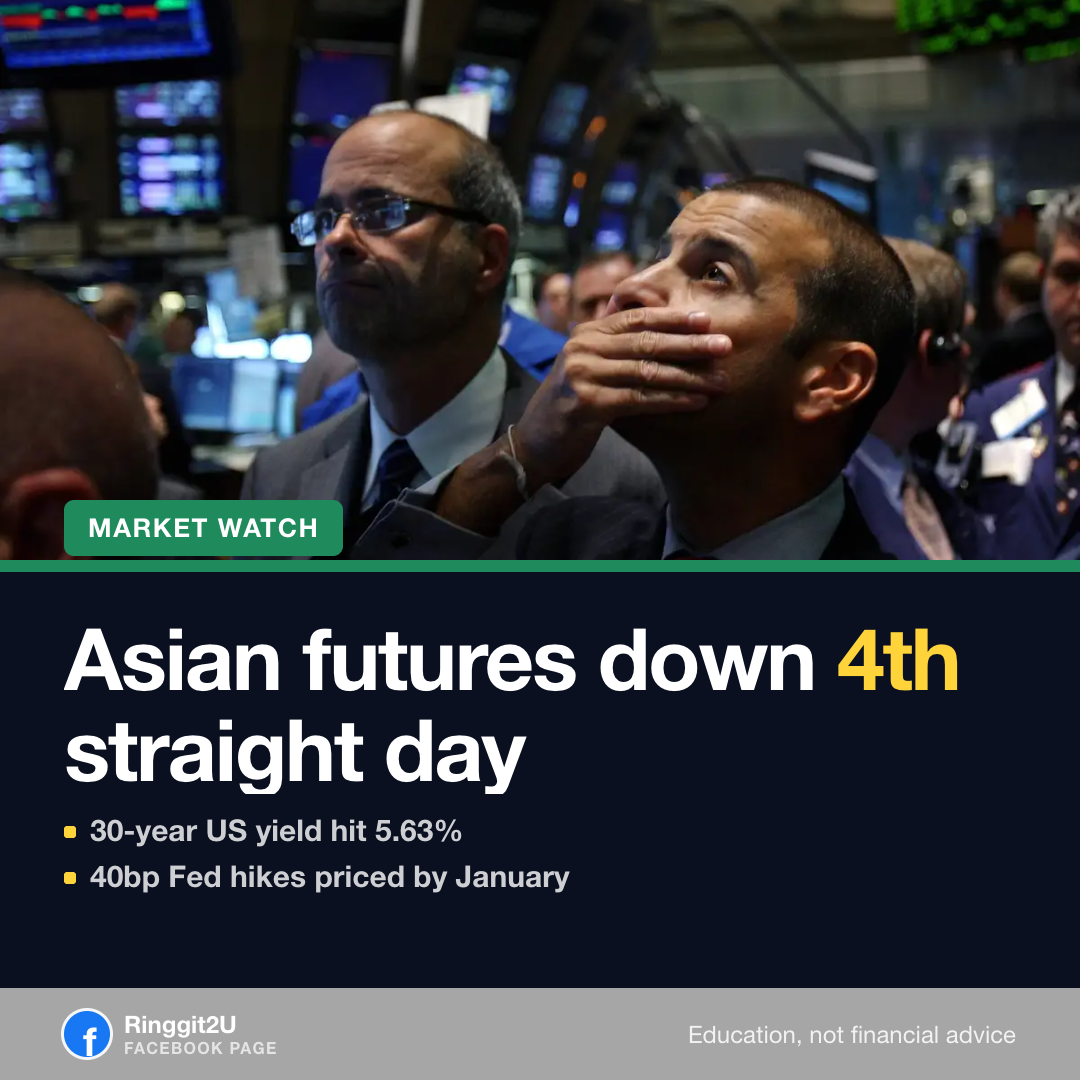
US$80B AI Selloff After 3.7% US Inflation Print
September US CPI hit 3.7% YoY, erasing US$80B in AI stocks and pushing bond yields to multi-year highs. Asian equity futures fell for a fourth straight day.