Four hospital groups keen to join MediAsas ahead of January roll-out
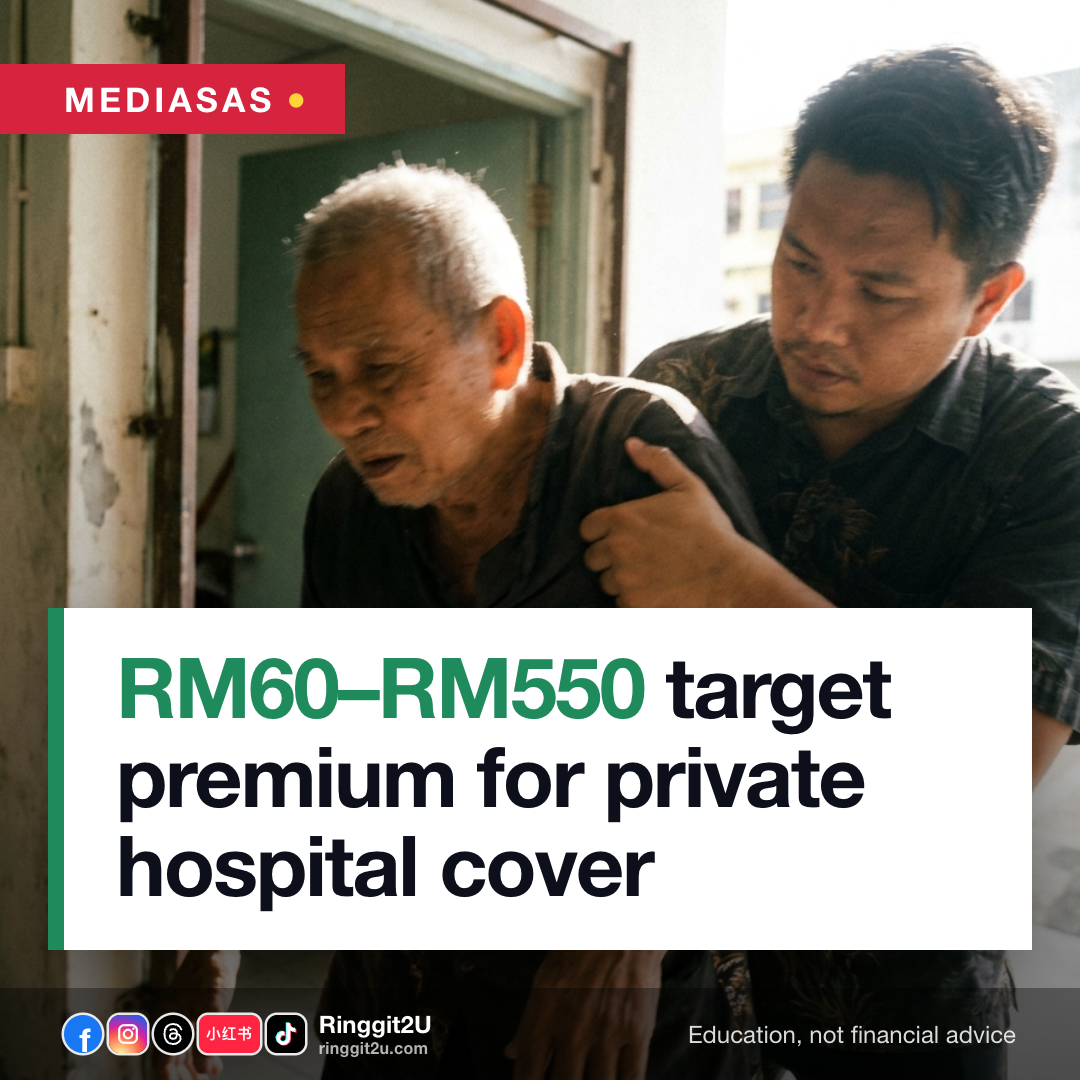
The government-backed medical plan targets people without coverage, with a BNM premium range of RM60 to RM550 and an EPF Akaun Sejahtera payment option.
What happened1/5 MediAsas on track for nationwide implementation by late January 2027
Deputy Finance Minister Liew Chin Tong told the Dewan Rakyat on 11 November that at least four of Malaysia's largest private hospital groups have expressed interest in joining MediAsas.
He did not name the groups because their participation had yet to be finalised. The government and Bank Negara Malaysia hope to attract as many hospitals as possible.
Liew was responding to Datuk Alias Razak (PN-Kuala Nerus), who asked how the pilot's success would be assessed in containing treatment costs and ensuring affordable coverage.
The real numbers2/5 BNM targets RM60 to RM550 monthly premiums for entry ages up to 70
RM60–RM550BNM target monthly premium range200,000workers expected to benefit from SME subsidy10 hospitalsin the Klang Valley pilot phaseThe pilot ran from end-July to October 2026 in the Klang Valley with six insurers and takaful operators and 10 hospitals. Final product features and pricing will be published at the nationwide launch.
BNM has indicated a target monthly premium range of RM60 to RM550 for individuals with entry ages of up to 70.

Photo: Photo: CC0 via Openverse How it affects your wallet3/5 SME workers get RM200 first-year subsidy; EPF members can pay via Akaun Sejahtera
Budget 2027 proposes a RM200 first-year premium subsidy per employee for SMEs with fewer than 75 employees, capped at 50 workers per company. The government expects up to 200,000 workers to benefit.
Separately, EPF members below 55 will be allowed to use their Akaun Sejahtera savings to pay MediAsas premiums. Akaun Sejahtera holds 15% of new EPF contributions.
e.g. a worker earning RM4,000 a month contributes 11% (RM440) to EPF; 15% of that, or RM66, goes into Akaun Sejahtera each month. That balance can now fund a MediAsas premium without touching Akaun Persaraan.
Why it matters4/5 DRG payment mechanism sets hospital charges by diagnosis category
MediAsas is a voluntary, stand-alone medical insurance and takaful plan with standardised benefits. It targets people without coverage and those seeking a more affordable alternative to existing policies.
It uses a diagnosis-related group (DRG) payment mechanism: hospital payments are determined by diagnosis and treatment categories rather than item-by-item billing. This makes costs more predictable for patients and insurers.
The initiative seeks to address the rising cost of private hospital treatment while giving consumers another option alongside public healthcare.
- 01/02
BNM target monthly premium range RM60–RM550 BNM targets RM60 to RM550 monthly premiums for entry ages up to 70 BNM target monthly premium range
What to watch5/5 Final product features and pricing to be published at nationwide launch
Liew said findings from the pilot and stakeholder feedback are being used to refine implementation, and further input remains open for submission.
The six pilot insurers and takaful operators include AIA, Allianz Life Insurance Malaysia, Great Eastern Life Assurance, Prudential BSN Takaful, Etiqa Family Takaful and Syarikat Takaful Malaysia Keluarga.
The nationwide launch is set for late January 2027. That is when final product features and pricing will be published.
- 02/02
200,000 workers expected to benefit from SME subsidy BNM targets RM60 to RM550 monthly premiums for entry ages up to 70 workers expected to benefit from SME subsidy
Questions people ask
Is MediAsas compulsory for Malaysians?
No. MediAsas is voluntary and stand-alone. You keep your existing employer coverage, personal policy or public healthcare. It is an additional option for those who want private treatment at a more predictable cost.
Does MediAsas replace public healthcare?
No. The deputy minister described it as another option alongside public healthcare. Public hospitals remain available. MediAsas is designed for people who want or need private hospital treatment but find current private policies too expensive.