PM Anwar presses tech giants on decarbonization as TNB commits US$10b for data centre grid
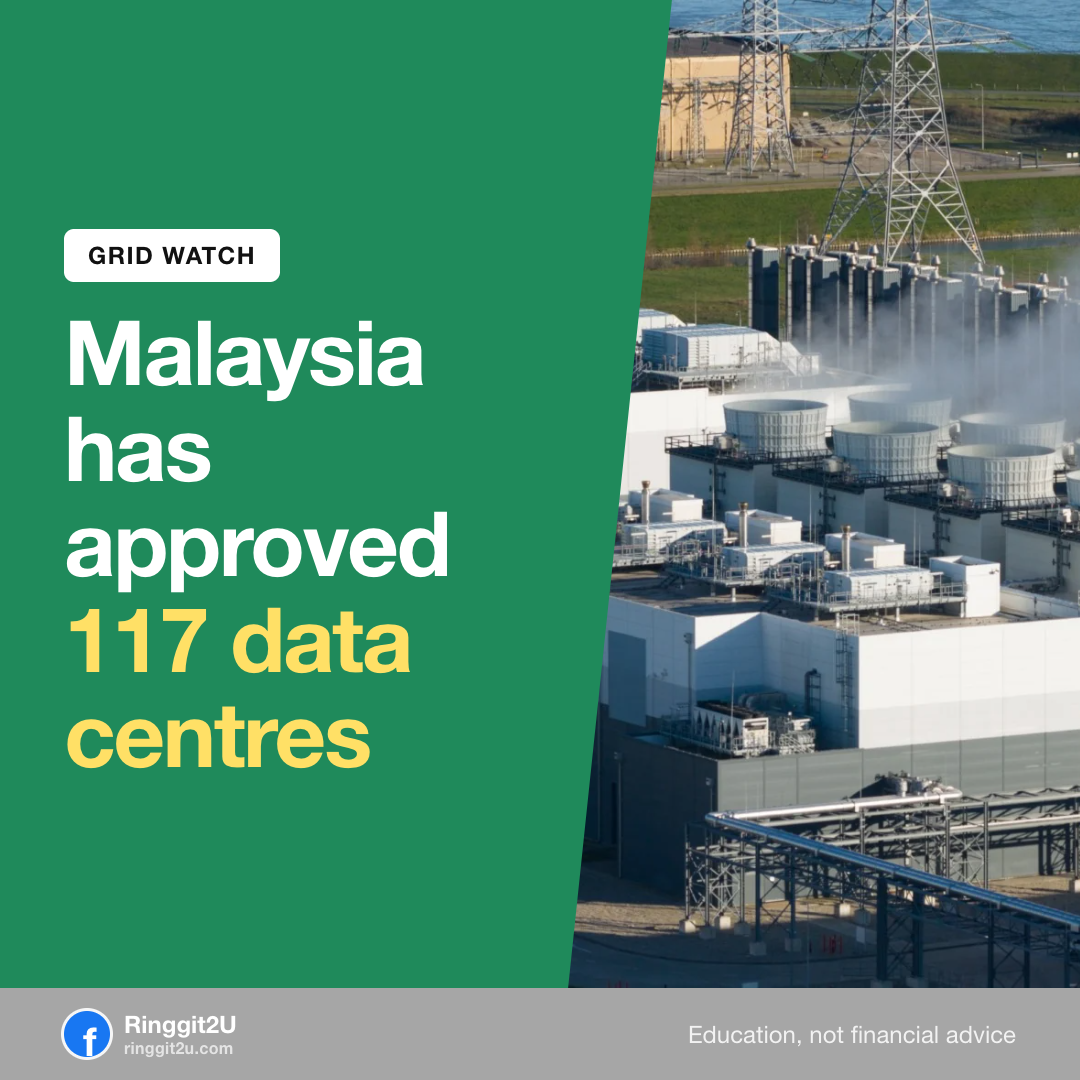
PM Anwar demanded tech giants fund decarbonization while TNB races to build grid capacity for 9 GW of data centre demand in five years.
What happened1/6 PM Anwar tells Google, Oracle and Amazon to pay their share of clean energy
Speaking at an event in Kuala Lumpur with Google President Ruth Porat, Prime Minister Anwar Ibrahim told global tech giants that hosting data centres here comes with obligations: fund decarbonization, help local communities, and address ecological damage.
He singled out Google's partnership with TNB to add more than 1 gigawatt of new clean energy capacity to the national grid, saying Google is not competing with households for electricity.
Google has separately promised to upskill 800,000 Malaysians and build reservoirs and improve river basins. The presenter on the CNA broadcast noted that the devil will be in how these commitments are implemented.
The real numbers2/6 The scale of the data centre buildout hitting Malaysia's grid
US$10 billionTNB grid investment for data centre demand9 GWProjected data centre demand in five years30% → 70%Renewable share: now vs 2050 targetTNB is pouring US$10 billion into grid resilience because data centre demand is expected to hit 9 gigawatts within five years. For context, Malaysia's current renewable share sits around 30%, against a national target of 70% of installed capacity by 2050.
A single 300-megawatt data centre is reported to consume more energy and water than many residential townships in the country.
Photo: Photo: usdoe / CC0 1.0 How it affects your wallet3/6 What the data centre boom means for your electricity bill and water supply
TNB's US$10 billion grid upgrade is meant to keep the lights on for households and factories as data centres pile on demand. Without it, the risk is brownouts and tariff pressure. The exact impact on your monthly electricity bill has not been announced.
The water angle is the sharper worry. A 300 MW facility reportedly uses more water than many townships. In Batam, Indonesia, residents protested when community reservoirs ran low while data centres drew from pipelines connected to larger sources. Malaysia has not yet faced that level of conflict, but the pattern is a warning.
On the jobs side, Google's pledge to upskill 800,000 Malaysians is the number to watch. Whether those roles land locally or stay in corporate HQs will decide if this is real income growth or a headline.
Why it matters4/6 The ASEAN Power Grid and RECs: how the region plans to go green
TNB's stated plan is not to build all the clean energy domestically. It wants the ASEAN Power Grid to channel hydropower from East Malaysia and Laos, plus wind from Vietnam, into demand centres like Johor and Cyberjaya.
On the corporate side, many data centres are buying renewable energy certificates (RECs) to claim 100% clean energy. A REC proves that renewable generation was fed into the grid somewhere; it does not mean the data centre's own plug draws solar or wind. The government encourages this route but has not mandated it.
Malaysia's 70% renewable target by 2050 is the policy frame. At 30% today, the gap is 40 percentage points in 24 years, and data centres are adding demand at the same time.
- 01/02
The scale of the data centre buildout hitting Malaysia's grid ✓TNB grid investment for data centre demand US$10 billion TNB grid investment for data centre demand
Why it matters5/6 Batam's water protests show what happens when planning lags behind approvals
In Batam, Indonesia, residents staged protests and set up roadblocks outside data centres after community reservoirs ran low while facilities had dedicated pipelines to larger water sources. The government had approved investments aggressively without first checking whether basic utilities could support both the population and the industry.
BP Batam now requires data centres to build their own seawater desalination facilities to ease pressure on freshwater. Indonesia's Industry Ministry has proposed a task force to oversee the sector.
The Indonesia Data Center Ecosystem Council warns that countries risk becoming mere landlords of the AI economy, providing land, power and water while the higher-value engineering and supplier work stays overseas.
What to watch6/6 Next dates to track on data centre policy in the region
The Indonesia Data Center Ecosystem Council will meet operators, regulators, local authorities and community representatives in Batam later in November 2026 to address power, water and community-impact concerns.
In Malaysia, the TNB US$10 billion grid programme and the Google-TNB 1 GW clean energy deal are multi-year commitments. Watch for tariff filings to the Energy Commission and for whether the 800,000 upskilling target gets a published timeline and local-hiring breakdown.
- 02/02
9 GW Projected data centre demand in five years The scale of the data centre buildout hitting Malaysia's grid Projected data centre demand in five years
Questions people ask
Will data centres push up my TNB electricity tariff?
TNB's US$10 billion grid spend is meant to prevent supply shortfalls, not raise tariffs. Any tariff change goes through the Energy Commission's review process. No tariff revision has been announced in connection with data centre demand.
What is a renewable energy certificate (REC)?
A REC is a tradeable proof that one megawatt-hour of renewable electricity was generated and fed into the grid. Buying RECs lets a data centre claim clean-energy usage on paper. It does not guarantee the electrons at its own switchboard are solar or wind.
Could Malaysia face water conflicts like Batam?
The facts do not show a water conflict in Malaysia yet. The Batam protests happened because community reservoirs ran low while data centres had separate pipelines. Malaysia's water governance and data centre siting rules differ, but the 300 MW comparison is a reason to watch local water stress in Johor and Cyberjaya.