Frozen Fish Stockpiled, Padi Schedules Locked with MADA Ahead of El Nino
Agriculture Minister Mohamad Sabu confirmed frozen fish stockpiling and MADA padi coordination at Dewan Klang Jaya, with a new AGRO i-Sinar financing scheme launched for micro-entrepreneurs.
What happened1/5 LKIM and Private Firms Build Frozen Fish Stocks; MADA Locks Padi Timelines
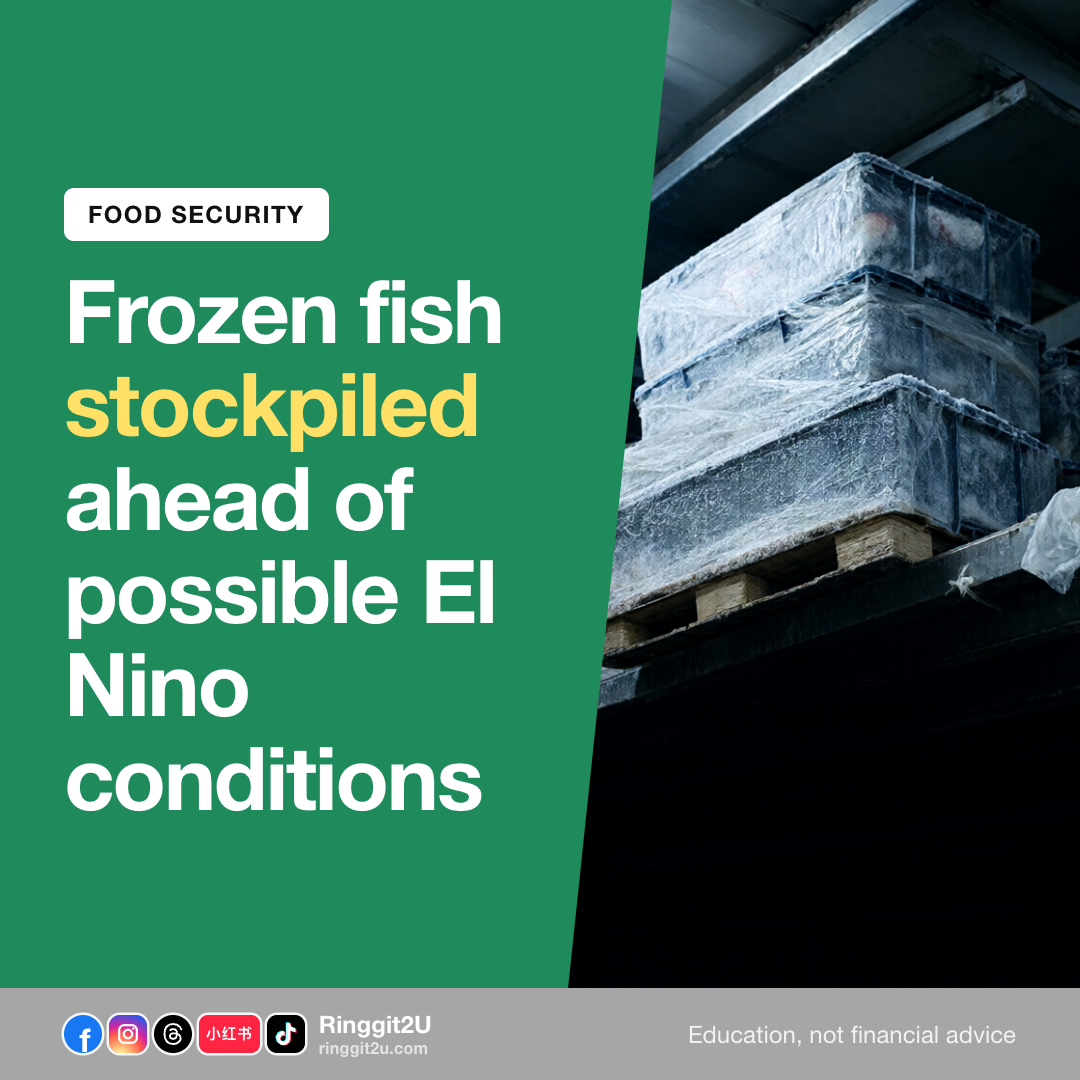
At the AGRO i-Sinar Financing Scheme launch at Dewan Klang Jaya in November 2026, Agriculture and Food Security Minister Datuk Seri Mohamad Sabu said the Malaysian Fisheries Development Authority and private companies are stockpiling large quantities of frozen fish, particularly commonly consumed varieties, to ensure an adequate supply of protein if El Nino conditions develop.
Water reservoirs are being managed as part of the same preparation. The minister cited the Pedu Dam in Kedah, where prolonged heat pushes fish toward the middle of the reservoir, making them harder to catch.
On padi, planting schedules will be coordinated with the Muda Agricultural Development Authority (MADA), local communities and Agrobank to mitigate extreme-weather damage to rice production. The ministry said agencies are monitoring conditions continuously so follow-up measures can be coordinated when needed.
Why it matters2/5 Why Hot Weather Squeezes Fish Catches and Padi Yields
El Nino brings extended dry and hot spells. Reservoir water warms and drops, pushing fish deeper and further from shore. Fewer fish near the surface means smaller catches for the same number of boats. That is the Pedu Dam scenario the minister flagged.
On land, less rain stresses padi fields. If planting schedules are not adjusted in advance, padi yields in the Muda area are at risk from reduced water availability. A missed planting window means a lost crop cycle for the season.
The government's answer is two-track: stockpile protein now while supply is normal, and lock planting calendars with MADA and Agrobank before the dry window hits. Both actions happen before the weather turns, not after.
How it affects your wallet3/5 What a Tightened Supply Window Does to Your Monthly Grocery Bill
No shortage exists today. The stockpiling is preventive. But if El Nino develops and preparations fall short, the first thing you notice is the price of ikan goreng and your nasi lemak at the kedai going up.
e.g. A family of four spending about RM150 a month on frozen fish (ikan bilis, sardin, kembung) and RM60 on rice would feel a 20% supply-driven price jump as an extra RM42 a month on top of their usual RM210. Over three months of a bad El Nino season, that is roughly RM126 extra on protein and rice alone.
The frozen fish stocks and adjusted padi schedules are designed to keep those shelves stocked so the price line stays flat. The risk the government is managing is the gap between a normal month and a panic-buying month.
What to do, step by step4/5 What You Can Do Today, Depending on Your Role
- Padi farmer or planter: If you grow padi in the Muda area, check with MADA or your local agricultural officer whether your planting window aligns with the coordinated schedule. The FACTS do not specify the exact application process; contact MADA directly for current requirements.
- Fish seller or small kedai owner: If you sell frozen fish, check with LKIM or your pasar borong wholesaler whether any government stockpiling arrangements affect your supply. The FACTS do not detail a registration process; contact LKIM directly for current arrangements.
- Micro-entrepreneur needing working capital: Visit Agrobank and ask about the AGRO i-Sinar Financing Scheme for Indian Micro-Entrepreneurs, launched in November 2026. Agrobank branches can confirm current eligibility, required documents and terms.
- Household consumer: No panic buying needed. Keep monitoring wholesale prices at your usual pasar borong for frozen fish and rice. A sudden jump above your normal weekly spend is the early signal that weather pressure is starting to bite, and the time to adjust your shopping habits.
Worth knowing5/5 The Minister's RM11,900 Monthly Salary Goes to NGOs
Separately, on 11 November 2026, Mohamad announced he would donate his RM11,900 monthly ministerial salary to NGOs advocating equal treatment. Discussions are under way to finalise the distribution mechanism so contributions reach recipients transparently.
For context on what that salary looks like after statutory deductions: e.g. on a gross of RM11,900, EPF employee share is RM1,309 (11%), SOCSO RM29.75, EIS RM11.90, and PCB about RM1,397, leaving take-home pay of about RM9,152. The employer's EPF contribution of RM1,428 sits on top and does not reduce take-home. New contributions split 75% into Akaun Persaraan, 15% into Akaun Sejahtera and 10% into Akaun Fleksibel.
Questions people ask
Is there a fish or rice shortage in Malaysia right now?
No. The stockpiling and MADA coordination are preventive steps ahead of possible El Nino conditions. No current supply gap has been announced. The measures exist to stop one from developing.
How does El Nino actually hit my grocery bill?
Prolonged hot, dry weather stresses padi fields and pushes reservoir fish deeper, making them harder to catch. Supply tightens while demand stays flat, which pressures prices at the pasar borong and your kedai. The frozen fish stocks and adjusted planting schedules are meant to blunt that window.
I run a small kedai or sell fish. What do I do today?
If you sell frozen fish, check with LKIM or your pasar borong wholesaler whether any government stockpiling arrangements affect your supply. If you grow padi, reach out to MADA to align your planting schedule with the coordinated plan. If you are a micro-entrepreneur needing working capital, visit Agrobank and ask about the AGRO i-Sinar Financing Scheme launched in November 2026 at Dewan Klang Jaya.
Source: KWSP (EPF)New Straits Times