Leaving Your Air-Con On All Day Costs More Than Switching It Off
Leaving the air-con running all day uses more electricity than switching it off, according to peer-reviewed research and TNB's own advice.

What happened1/5 The Star's QuickCheck says the viral tip is wrong
A tip circulating online claims that leaving an air-conditioner running all day costs less than switching it on only when you need it. The logic given: the unit "guzzles" electricity when it restarts and has to cool the room again.
The Star's QuickCheck checked the claim and found the opposite. Leaving the unit running all day generally uses more electricity than switching it off when no one is in the room. The restart spike is real, but it lasts only a short while.
How it works2/5 Why a colder room pulls in more heat from outside
The US Department of Energy explains the physics: a higher indoor temperature slows the flow of heat into a home. A room kept icy cold all day is constantly soaking up heat from outside, and the compressor has to pump that heat back out, hour after hour.
Switch the unit off and the indoor-outdoor temperature gap shrinks. Heat flows in more slowly, so the room warms up at a gentler pace. The department says adjusting the thermostat by about 4°C to 5.5°C for eight hours a day can save as much as 10% a year on heating and cooling costs.
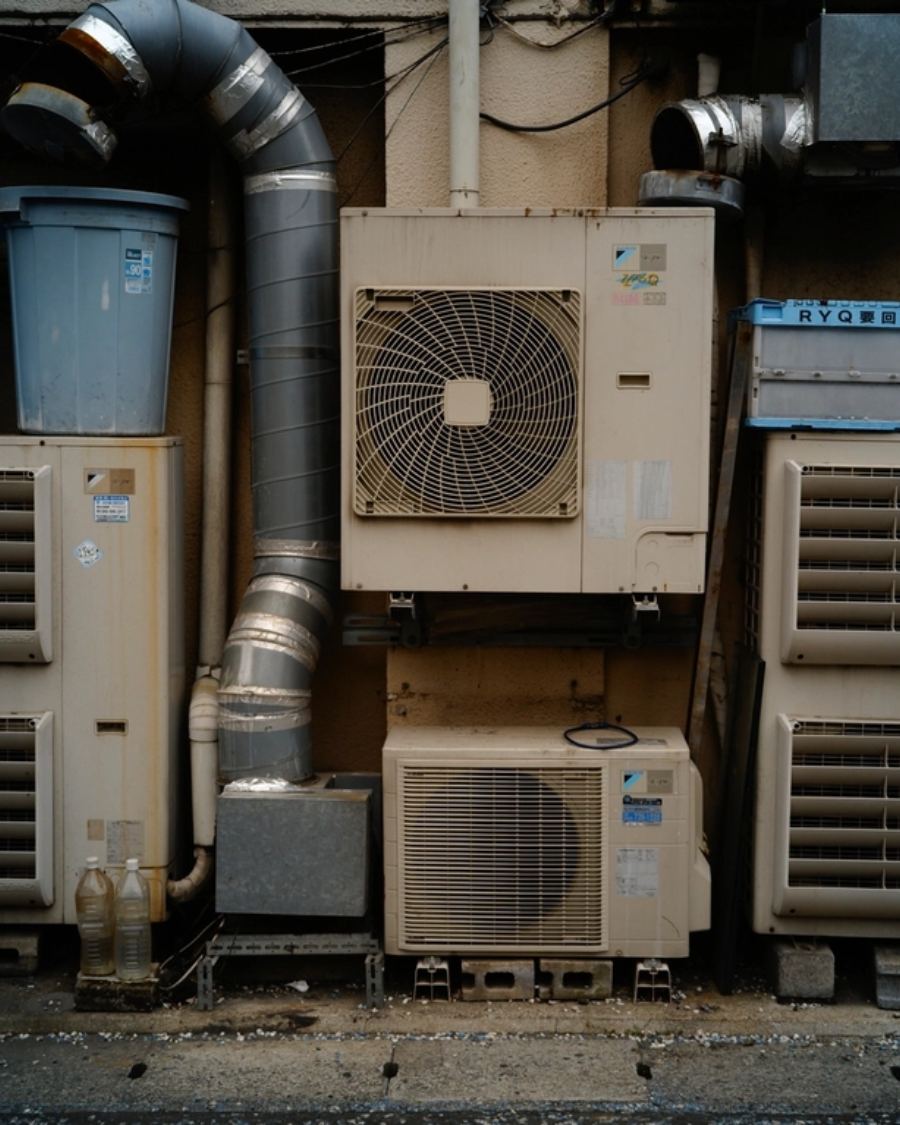
Photo: Photo: CC0 via Openverse The real numbers3/5 Two experiments, one answer: switching off wins on total power
2.9%lower power use when switching off and on10%annual saving from 4-5.5°C thermostat shift35 yen/dayextra cost of non-stop 9am-11pm use (Daikin)A 2022 study in the peer-reviewed journal Energies tested two identical west-facing rooms in a subtropical climate. One ran the air-con non-stop; the other switched it off and on at intervals. Every restart produced a power spike, yet total consumption in the switching room was 2.9% lower.
Daikin ran a separate test in two similar apartments in Osaka during the hot August of 2016. Stepping out for just 30 minutes between 9am and 6pm made it cheaper to leave the unit on. But running it continuously from 9am to 11pm cost about 35 yen more per day than switching off whenever residents left. Daikin recommended mixing both approaches depending on the situation.
How it affects your wallet4/5 The comfort trade-off you actually feel at home
Switching off is cheaper on paper, but the Energies study recorded a real cost to comfort: room temperature rose by 4°C to 5°C within 15 minutes of the unit being off. In a Malaysian afternoon that is the difference between a cool room and a sweaty one.
For a household, the practical question is not "all day or never" but "how long am I actually out?" Daikin's Osaka data suggests that for a short errand of around 30 minutes, leaving the unit on avoids the restart spike and is the cheaper option. For a full day out, switching off wins.
lower power use when switching off and on 2.9% 01/02Two experiments, one answer: switching off wins on total power lower power use when switching off and on
What to do, step by step5/5 What TNB recommends to keep your air-con bill down
Tenaga Nasional Berhad has published straightforward guidance for households that use air-conditioning regularly.
- Switch off the air-con and other appliances when no one is in the room.
- Set the thermostat between 24°C and 26°C instead of cranking it to 18°C.
- Clean the air-con filters regularly so the unit does not work harder than it needs to.
- For short absences of roughly 30 minutes or less, leaving the unit on is fine; for longer outings, switch it off.
- 02/02
10% annual saving from 4-5.5°C thermostat shift Two experiments, one answer: switching off wins on total power annual saving from 4-5.5°C thermostat shift
Questions people ask
Does the air-con use more power when it first turns on?
Yes, there is a brief power spike when the compressor restarts. But the 2022 Energies study showed that spike is short-lived and does not outweigh the energy saved by keeping the room warmer while the unit is off.
Is 35 yen a lot of money?
It is a small daily figure from Daikin's Japanese test. The point of the experiment was the direction of the difference, not the absolute amount: continuous running cost more than switching off during a full day.
What is the best air-con temperature for a Malaysian home?
TNB recommends setting the thermostat between 24°C and 26°C. Going lower increases the indoor-outdoor temperature gap, which pulls in more heat and makes the compressor work harder for longer.
Source: The Star
Keep reading

MPs Seek RON95 Test Results and Motorist Compensation in Dewan Rakyat
A Dewan Rakyat MP presses the Domestic Trade Minister for RON95 fuel test results from five states and whether affected vehicle owners get compensation.

STR Phase 4 pays RM1.1 billion to 5.4 million from 4 November
STR Phase 4 disburses RM1.1 billion to 5.4 million recipients from 4 November 2026. Here is who gets up to RM500, how to collect, and what to update before 2027.

Palm oil stockpiles likely hit 3.76 million tonnes – what it means for cooking oil
Malaysia's palm oil stockpiles likely hit a record 3.76 million tonnes in October, 50% above last year. Here's what the glut means for CPO prices and your kitchen.