MTL and Super El Niño: Flood and Drought Risks for Malaysian Homes
Two weather threats hit Malaysian households from November 2026 to May 2027: monsoon flooding and Super El Niño drought.
What happened1/5 Two weather threats, one household budget
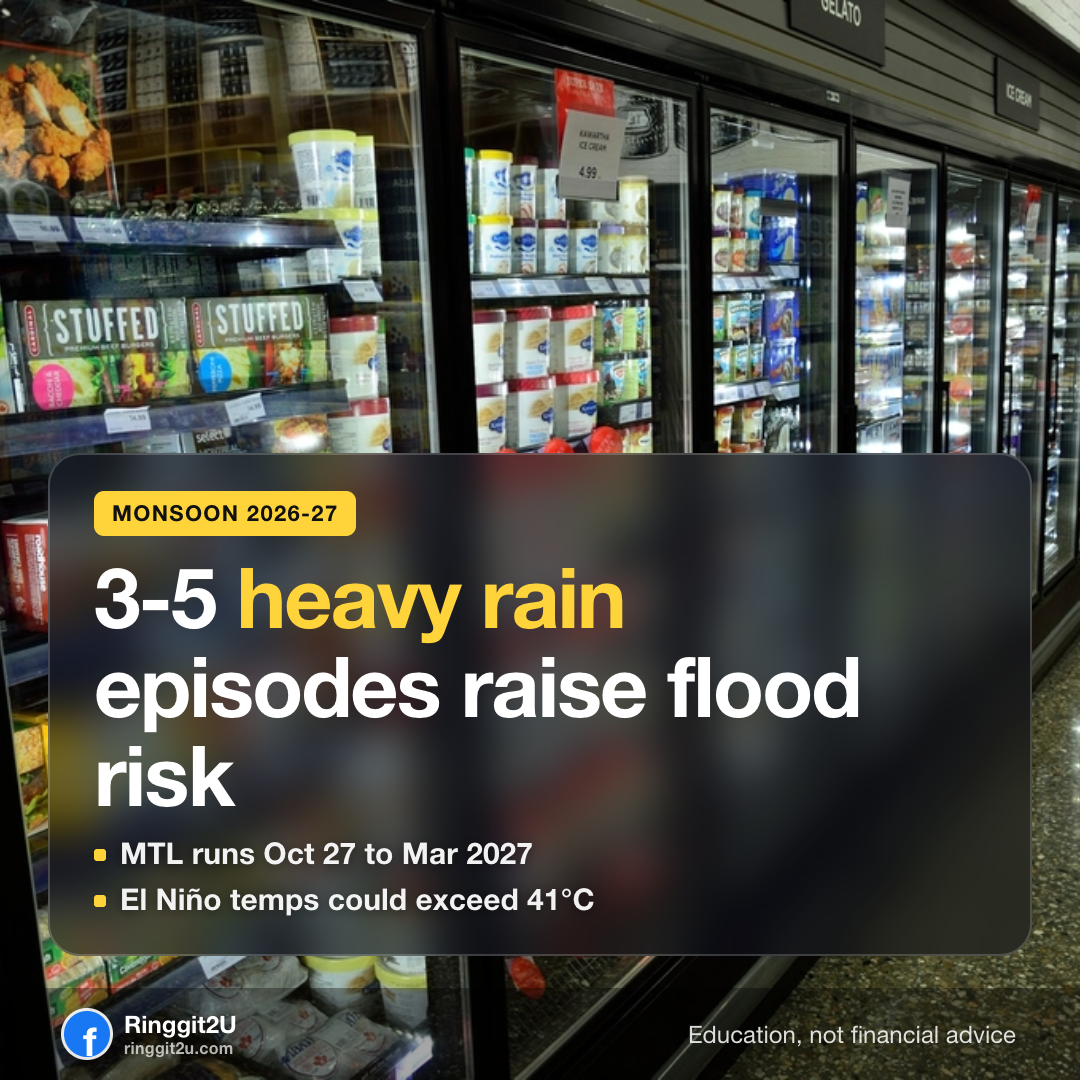
The Northeast Monsoon (MTL) started on 27 October 2026 and is expected to run until March 2027. MetMalaysia forecasts three to five episodes of continuous heavy rain, concentrated from November to January.
After the monsoon, a Super El Niño could bring hotter, drier weather from late January to March 2027, with maximum temperatures potentially exceeding 41°C. The agricultural sector and water supplies are flagged as the hardest hit.
Flash floods have already disrupted traffic in Kuala Lumpur from near-daily afternoon downpours. Perak, Kedah and Negeri Sembilan have also reported flood incidents.
The real numbers2/5 The numbers behind the forecast
3-5heavy rain episodes, Nov to Jan>41°Cpeak temperature, late Jan to March5-6monsoon surges (usual: 7-8)UKM climatology expert Prof Emeritus Datuk Dr Azizan Abu Samah expects monsoon surges to drop from the usual seven to eight down to five to six episodes because of El Niño's drying effect. That lowers the risk of a 2021-scale flood, but does not remove it.
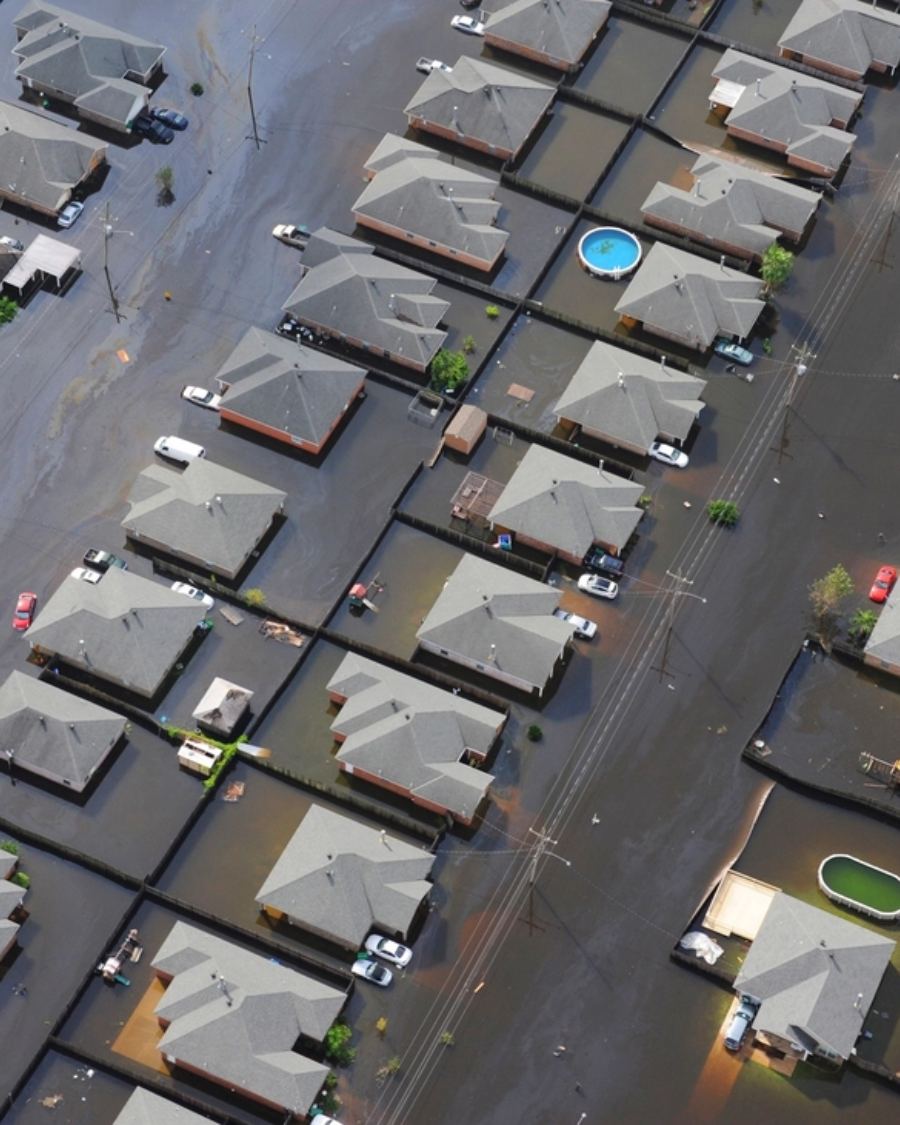
Photo: Photo: CC0 via Openverse How it affects your wallet3/5 Where the money leaks in your household
Floods and heat do not show up as one bill. They arrive as small, repeated costs over five months.
Water: prolonged dry spells from late January raise the chance of water rationing in affected areas. Households in those zones typically buy bottled or tanker water during a rationing week.
Electricity: a stretch of days above 38°C pushes air-conditioning use up sharply. e.g. running one 1.5 HP split unit for 12 hours a day at RM0.577/kWh (TNB tariff) adds roughly RM100-120 to a monthly bill compared with a cooler month.
Food: the Bernama report flags the agricultural sector as vulnerable to drought. When paddy, vegetable and poultry output drops in affected states, wholesale prices for rice, chilli and chicken tend to rise within one to two market cycles.
Transport and property: flash floods that block a commute mean lost working hours or extra Grab fares. e.g. a RM15 Grab detour each way for five working days is RM150 a month.
Why it matters4/5 El Niño weakens the monsoon but does not cancel floods
This is the part that trips people up. A strong El Niño reduces average rainfall and the number of monsoon surges, so the risk of a mega-flood like 2021 is lower. But Prof Emeritus Fredolin Tangang of UKM told Bernama that extreme weather events can still occur during a weakened monsoon.
Rainfall also does not fall evenly. Azizan's breakdown: Kelantan, Terengganu and northern Kedah get the worst rain in November-December, then the trough shifts to Johor and Sarawak in January-February. Northern Sarawak and Sabah face a separate threat: forest and peatland fires until April or May 2027.
So a household in Shah Alam and a household in Kota Bharu face different months of risk, even in the same country.
- 01/02
The numbers behind the forecast ✓heavy rain episodes, Nov to Jan 3-5 heavy rain episodes, Nov to Jan
What to watch5/5 Dated checkpoints through May 2027
The MTL window runs to March 2027. MetMalaysia updates its monsoon and El Niño outlooks monthly; check met.gov.my for revised forecasts.
Peak heat in Peninsular Malaysia is expected around March to April 2027. Northern Sarawak and Sabah carry fire risk until April or May 2027. Water-supply authorities will issue rationing notices only if reservoir levels drop; follow your state water operator's announcements rather than social media.
- 02/02
>41°C peak temperature, late Jan to March The numbers behind the forecast peak temperature, late Jan to March
Questions people ask
Will Super El Niño mean no floods this monsoon?
No. El Niño reduces the average number of surges from 7-8 to 5-6, lowering the odds of a 2021-scale event. But Prof Fredolin Tangang warned that extreme rain events can still happen. Low-lying and riverside areas remain at risk.
Which Malaysian states face the highest flood risk this monsoon?
November-December: Kelantan, Terengganu and northern Kedah. January-February: Johor and Sarawak. Perak, Kedah and Negeri Sembilan have already reported flash-flood incidents.
When will it get dangerously hot?
MetMalaysia expects maximum temperatures potentially above 41°C between late January and March 2027. Peninsular heatwaves are most likely around March-April. Northern Sarawak and Sabah face fire risk until April-May 2027.
Source: Bernama
Keep reading

World Bank sees 23% commodity price jump by end of 2026
World Bank projects global food prices up 10% in 2026 and energy up 32% as the Iran war and El Niño squeeze supplies. What the numbers mean for Malaysian wallets.

Brent crude hits $112 after US kills Iranian commander, Houthi strikes
Brent crude surged to $112.11 after the US killed an Iranian commander and Houthis attacked Saudi energy sites. Here is what it means for your pump price.

Johor data centres could use 90% of new Peninsular power by 2031
BMI projects Johor data centres will need 30 TWh by 2031, over 90% of all new Peninsular electricity. TNB plans RM43B in grid upgrades. What it means for households.