Thai 5% Rice Hits $499 a Tonne as El Niño Cuts Asian Output
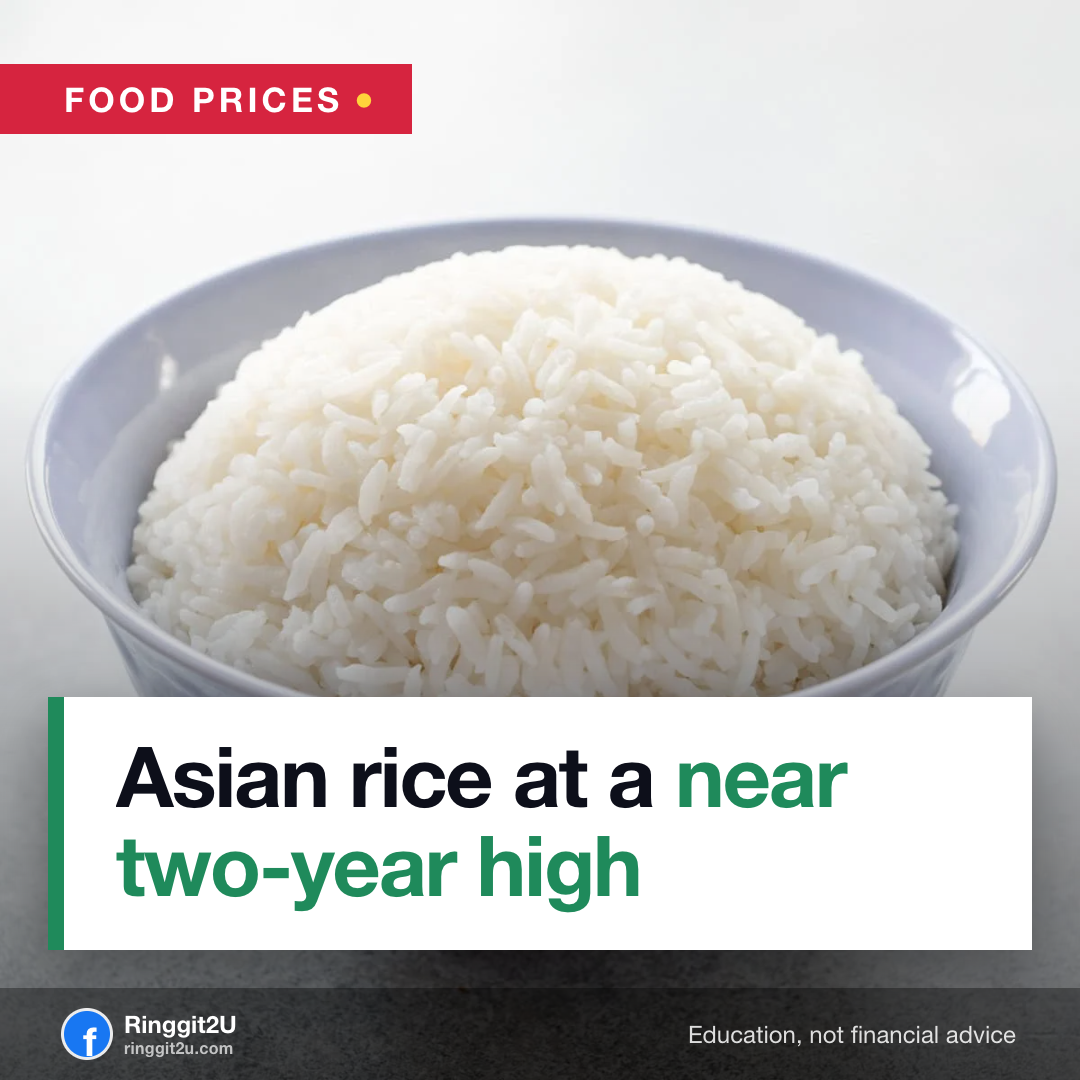
Thai 5% white rice hit $499 a tonne on 4 November as El Niño drought cut output across Asia's top rice-growing regions.
What happened1/5 Asian rice at near two-year high after El Niño drought
On 5 November 2026, Asian rice prices reached their highest level in almost two years. The US Department of Agriculture (USDA) forecasts global rice production will fall for the first time in over a decade this season.
Farmers across much of Asia are entering harvest, but drier-than-normal weather has damaged crops in major producing countries, including India, the world's top rice exporter. El Niño, described as one of the strongest on record, has caused widespread drought across South and Southeast Asia.
The real numbers2/5 Thai 5% rice at $499 a tonne; Chicago futures up 80%
$499 / tonneThai 5% white rice, 4 Nov 2026+80%Chicago paddy futures since Jan 20261st decline in 10+ yearsUSDA global rice output forecastThai 5% broken white rice hit $499 per tonne on 4 November, the highest since December 2024, according to the Thai Rice Exporters Association. Chicago futures for unmilled paddy rice rose more than 80% since the start of 2026.
Rice bucked the grain trend: corn and wheat prices fell over the same period.
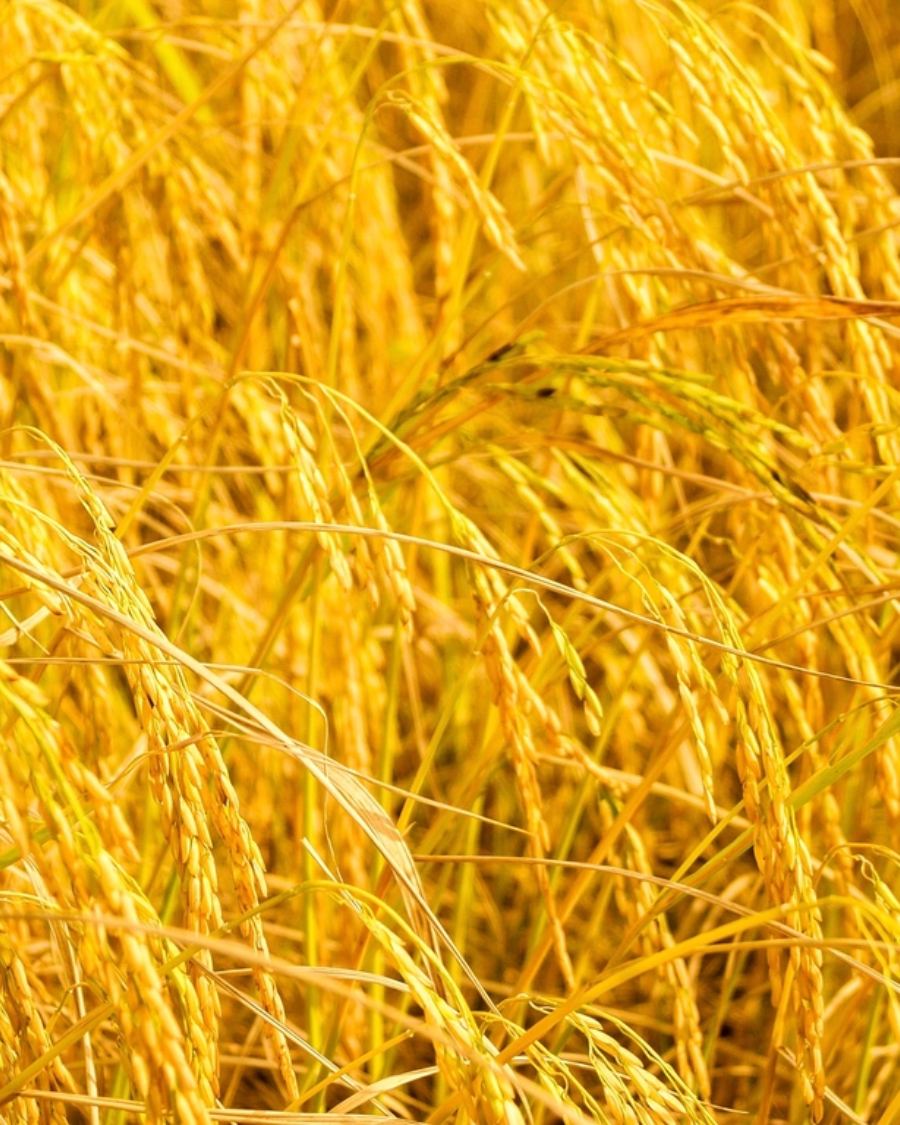
Photo: Photo: CC0 via Openverse Why it matters3/5 South and Southeast Asia grow over half the world's rice
Those two regions together produce more than half of global rice output, which is why a drought there moves the world price. The USDA Foreign Agricultural Service flagged Thailand's off-season crops as the biggest single risk, since they depend heavily on irrigation water that El Niño is reducing.
The UN Food and Agriculture Organisation (FAO) also forecasts a decline in global rice production for the 2026-2027 crop year.
How it affects your wallet4/5 No Malaysian retail data yet; Philippines already moved
The reports do not include Malaysian retail rice prices. Wholesale price increases usually take time to reach the shop shelf, but some markets already show signs. In the Philippines, the world's largest rice importer, government figures released on 5 November showed October 2026 rice prices up year-on-year.
For Malaysian households, the direct effect on the price of a 5 kg bag of rice at the supermarket has not been confirmed in these reports. Watch local retail prices over the next few weeks before drawing conclusions.
$499 / tonne 01/02Thai 5% white rice, 4 Nov 2026 Thai 5% rice at $499 a tonne; Chicago futures up 80% Thai 5% white rice, 4 Nov 2026
What to watch5/5 Harvest progress and Thailand's irrigation supply are next
Asia's main harvest is underway now, so the next few weeks will show how much crop El Niño actually destroyed versus what survives. Thailand's off-season rice, the USDA's top risk, depends on irrigation water that is already scarce.
The FAO forecasts a decline in global rice production for the 2026-2027 crop year. Whether that decline is large enough to sustain current prices will depend on the final estimate.
- 02/02
+80% Chicago paddy futures since Jan 2026 Thai 5% rice at $499 a tonne; Chicago futures up 80% Chicago paddy futures since Jan 2026
Questions people ask
Will my rice at the supermarket cost more because of this?
The reports do not include Malaysian retail prices. Wholesale-to-retail lag means shop prices may not move for weeks. The Philippines, the world's largest rice importer, already showed October 2026 prices up year-on-year. Check your local retailer's shelf price before assuming a jump.
Why is rice rising while corn and wheat are falling?
The reports note rice prices rose sharply while corn and wheat fell, but do not explain the divergence. El Niño's drought concentrated in South and Southeast Asia, where over half the world's rice is grown, may be a factor.
What is El Niño and why does it matter for rice?
El Niño is a climate pattern that shifts rainfall across the Pacific. The current episode is one of the strongest on record and has caused widespread drought in South and Southeast Asia, the two regions producing more than half of global rice.
Source: Vietnam.vn