GASA Report Puts Malaysia Scam Losses at RM19.7 Billion; MCMC Hosts NEXSEC2026
GASA's annual scam-loss estimate of RM19.7 billion was handed to the Communications Minister at MCMC's NEXSEC2026 conference in KL.
What happened1/6 GASA report pegs Malaysia's annual scam losses at RM19.7 billion
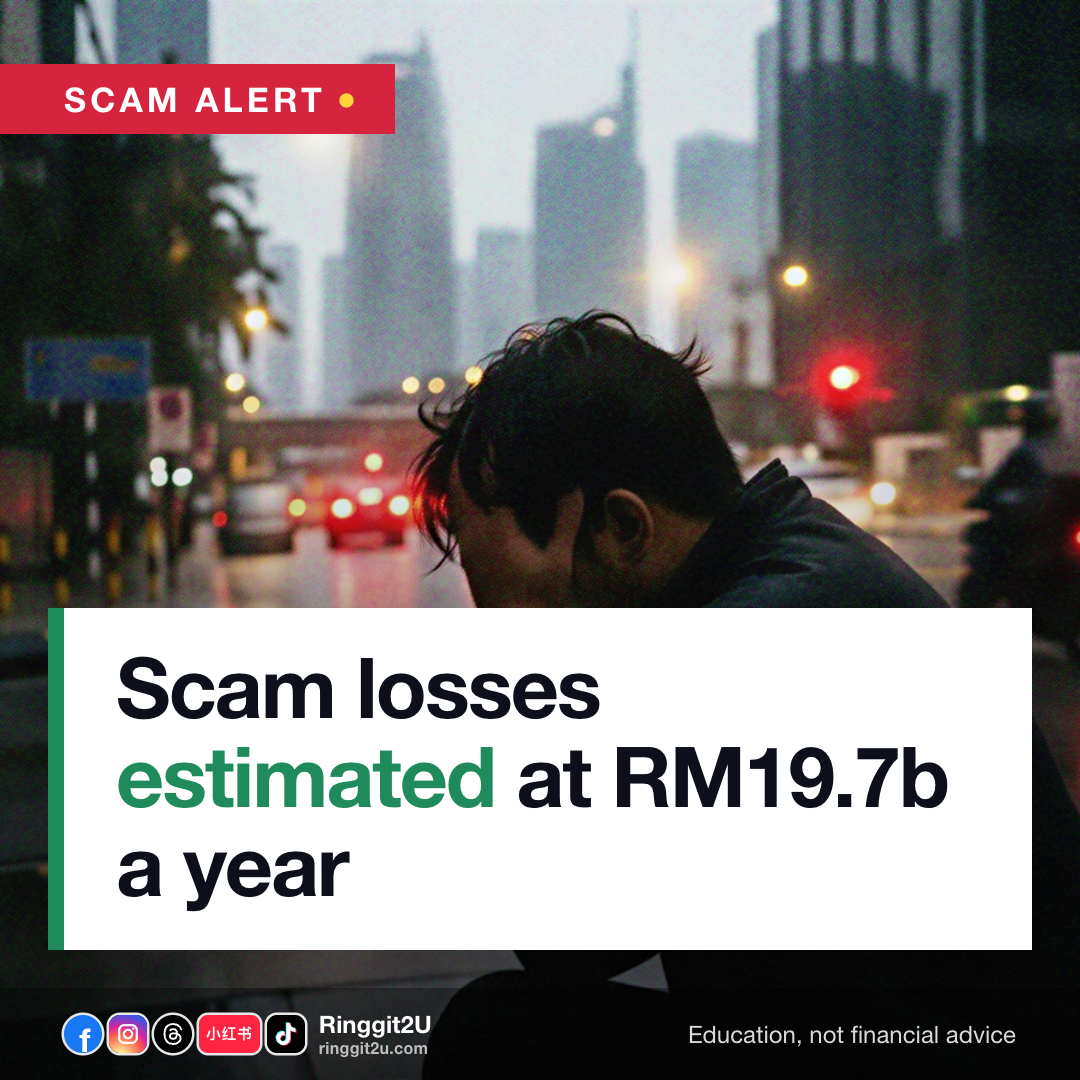
Communications Minister Datuk Seri Fahmi Fadzil received an official report from the Global Anti-Scam Alliance (GASA) estimating RM19.7 billion in scam losses in Malaysia over one year. The handover happened at NEXSEC2026, MCMC's cybersecurity conference, held at MITEC in Kuala Lumpur on Wednesday.
The GASA report's own framing states that the RM19.7 billion figure 'shows the need to strengthen prevention and protect citizens from digital threats.' Fahmi, speaking at the event, highlighted MCMC's work with telcos in reducing call spoofing and said partnering with bodies like GASA is a priority.
The two-day event brought together over 1,500 participants from government, security agencies, industry, universities and ASEAN member states under the theme of strengthening cyber resilience through collaboration, innovation and talent.
The real numbers2/6 The numbers behind the headline
RM19.7 billionestimated annual scam losses (GASA)1,500+participants at NEXSEC20262 daysconference duration at MITEC, KLThe GASA figure is an annual estimate of scam-related losses in Malaysia. The exact methodology and whether it includes unreported cases have not been detailed in the reports released at NEXSEC2026. It is an estimate, not a court-verified total.
NEXSEC2026 ran for two days and included competitions, symposiums, exhibitions and roundtable sessions. The MoU between MCMC and NACSA covers cyber-threat information sharing, coordinated response and capability building.
Fahmi also emphasised the need for Malaysia to increase readiness for new technologies including AI and quantum computing, to ensure the security of national digital infrastructure is maintained.
- 01/01
RM19.7 billion estimated annual scam losses (GASA) The numbers behind the headline estimated annual scam losses (GASA)
Why it matters3/6 What happened at NEXSEC2026
Fahmi said MCMC's work with telco companies has already reduced certain fraud types, specifically call spoofing (where a scammer fakes the caller ID to look like a bank or government number). He was candid that criminals will adapt, so the work does not stop.
MCMC signed a memorandum of understanding with the National Cyber Security Agency (NACSA) at the event. The MoU covers sharing cyber-threat intelligence, coordinating incident response and building joint capabilities, each agency staying within its own legal mandate.
Fahmi said MCMC will work with GASA to identify practical steps to raise security levels and protect Malaysians from scam crime. GASA is the international body that produced the loss estimate, so the partnership ties local anti-scam efforts to global data.
The conference also pushed for public awareness and gave students a chance to develop cybersecurity skills alongside industry players.
How it works4/6 Why post-quantum cryptography matters to your WhatsApp and online banking
Prof Datuk Dr Muhammad Rezal Kamel Ariffin, director of the Malaysian Centre for Cryptology Technology and Management (PTPKM), spoke at NEXSEC2026 about a plan most readers have never heard of: the National Post-Quantum Cryptography (PQC) Migration Plan 2025-2030.
Cryptography is the maths that locks your online banking session, your Shopee checkout, your email and your WhatsApp or Telegram chats. Quantum computers, once mature, could crack today's encryption standards. The PQC plan is Malaysia's way of swapping to quantum-resistant encryption before that happens.
The first five years of the plan focus on NCII, the National Critical Information Infrastructure. That means the systems classified as National Critical Information Infrastructure get upgraded first. The specific sectors covered under NCII have not been detailed in the announcements made at the event. Ordinary users will not see a button change; the swap happens underneath the apps they already use.
Muhammad Rezal said Malaysia still needs to map where cryptography sits across the whole digital ecosystem and decide what to replace and when. No public deadline for consumer-facing apps was announced at the event.
What to do, step by step5/6 If you get scammed, the clock starts the moment you notice
The faster you report, the better the chance of freezing the money before it moves through multiple accounts.
Do not wait for the next working day. Do not post on social media first. Call the number and ring your bank in the same hour.
- Call the National Scam Response Centre (NSRC) at 997 immediately. Tell them the scammer's account number, the amount, and how you were contacted.
- Contact your bank through its official app or hotline (not a number the scammer gave you) and ask them to freeze the outgoing transfer or flag the receiving account.
- Keep every screenshot: the WhatsApp or Telegram chat, the bank transfer receipt, the caller ID, any link the scammer sent. Do not delete the thread.
- File a police report at the nearest balai polis or through the PDRM online portal. Bring your MyKad and the screenshots. The police report number is what your bank will ask for when you lodge a formal dispute claim.
- Report the number or account to MCMC via its official complaint channel so the scammer's line can be blocked for other victims.
What to watch6/6 Dates and developments to keep an eye on
The National PQC Migration Plan runs through 2030, with the first five years targeting NCII systems. A public update on which consumer-facing services migrate and when has not been announced yet.
Fahmi said MCMC will continue working with GASA to identify practical steps to raise security levels and protect Malaysians from scam crime. No specific legislative change or new regulation was tabled at NEXSEC2026.
AI and quantum-computing readiness were flagged as the next front. Watch for follow-up statements from MCMC or NACSA on how those threats will be addressed in national cyber policy.
NEXSEC2026 was a two-day event; any MoU follow-through between MCMC and NACSA on joint threat-response operations will need a separate public announcement to confirm timelines.
Questions people ask
Is the RM19.7 billion figure the same as what victims reported to police?
The GASA figure is an annual estimate of scam-related losses in Malaysia. The exact methodology and whether it includes unreported cases have not been detailed in the reports released at NEXSEC2026. It is an estimate, not a court-verified total.
Does the post-quantum cryptography plan change how I use WhatsApp or online banking today?
Not yet. The PQC plan 2025-2030 is upgrading the encryption underneath critical national systems first. You will not need to do anything differently in your apps. When consumer-facing services migrate, the change happens automatically on the server side.
What is call spoofing and why did MCMC mention it specifically?
Call spoofing is when a scammer fakes the caller ID to display a bank, government or familiar number. MCMC said its work with telcos has reduced this type of fraud, but Fahmi acknowledged criminals will find new methods, which is why ongoing telco collaboration continues.
Source: Bank Negara MalaysiaSinar Harian